Bedtime should feel calm, but for many parents, it turns into a daily struggle.
One minute your baby looks tired, and the next they are crying, arching their back, or fighting every attempt to sleep. This can feel confusing and exhausting, especially when you know your baby needs rest.
Many parents wonder if they are doing something wrong or missing an important sign. I’ve been there, and the truth is that babies fight sleep for many normal reasons.
Understanding why it happens can help you respond with less stress and more confidence.
What “Fighting Sleep” Really Means
When parents say their baby is “fighting sleep,” they usually mean their baby is tired but refuses to settle.
This can look like crying as soon as bedtime starts, pushing away when being rocked, or suddenly becoming wide awake.
Some babies arch their backs, kick their legs, or protest when laid down. Others fall asleep for a few minutes and wake up upset.
Fighting sleep does not mean your baby dislikes sleep. It usually means something is making it hard for them to relax.
Common Reasons Babies Fight Sleep
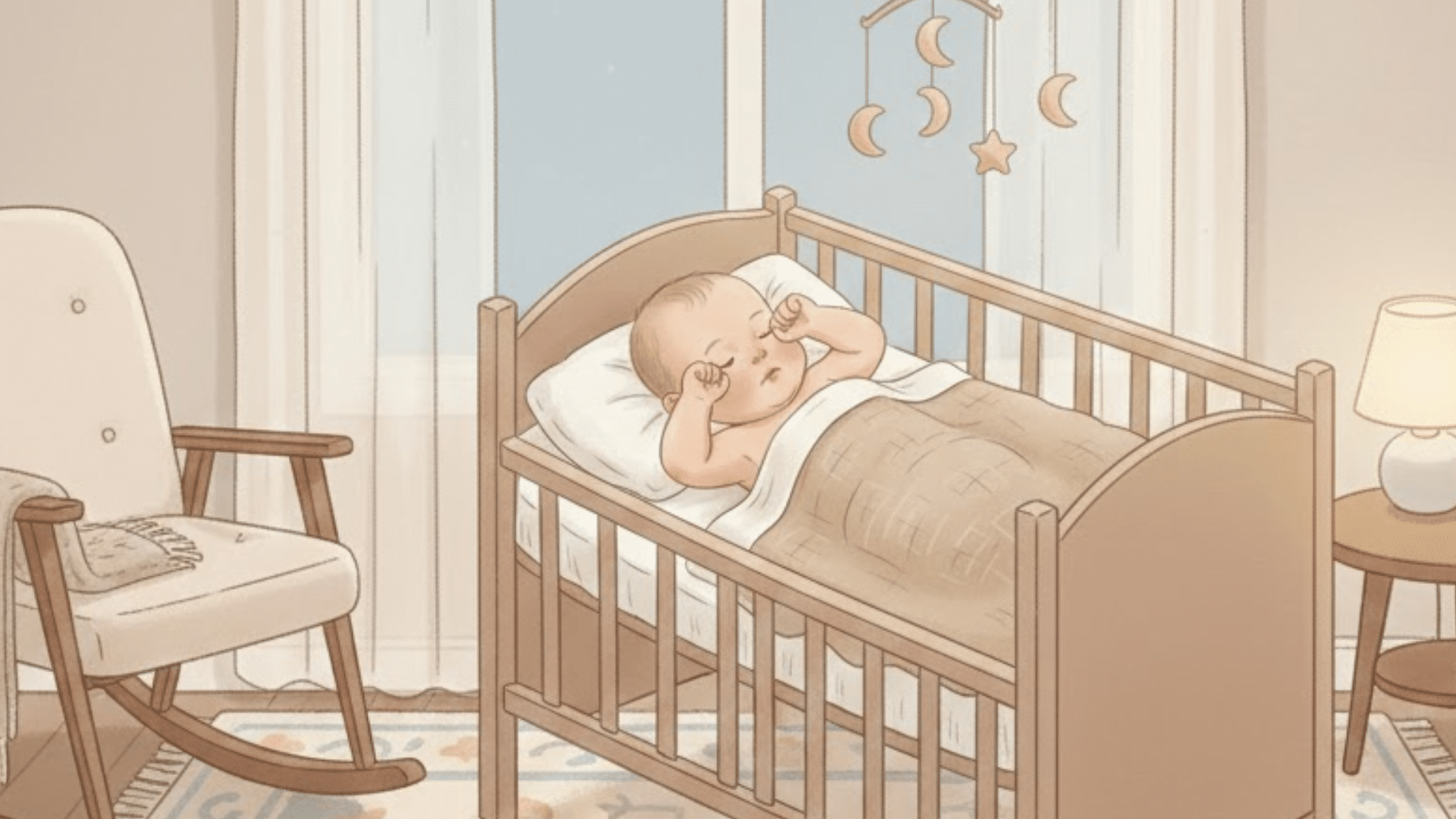
Babies fight sleep for many reasons, and it’s rarely about bad habits or poor parenting. I’ve learned that understanding the cause makes these moments feel less stressful and more manageable.
1. Overtiredness and Missed Sleep Windows
When babies stay awake too long, their bodies release stress hormones that make sleep harder. This can cause sudden bursts of energy right when they should be winding down.
An overtired baby may cry, resist being held, or seem extra alert. Instead of falling asleep easily, they struggle to relax. Earlier naps or bedtime often help more than pushing through.
2. Sleep Regressions and Brain Development
As babies grow, their brains go through big changes that can disrupt sleep. New skills like rolling, crawling, or babbling keep their minds active.
Even if they are tired, their brain may not slow down easily. This can lead to more night waking and nap refusal. These phases are common and usually temporary.
3. Separation Anxiety at Bedtime
As babies become more aware, they may resist sleep because they don’t want to be apart from you. Bedtime can feel scary when they realize you are leaving the room.
This often shows up as crying the moment they are laid down. Extra reassurance and a steady routine can help them feel safe. Over time, this fear usually fades.
4. Hunger, Teething, or Physical Discomfort
Sometimes babies fight sleep because something feels off in their body. Hunger, sore gums, gas, or a stuffy nose can make lying down uncomfortable.
Even small discomforts can feel big to a baby. They may cry more or wake shortly after falling asleep. Checking basic needs first can prevent longer struggles.
5. Nap Schedules and Sleep Transitions
As babies grow, their sleep needs change, and old schedules stop working. Too many naps or not enough daytime sleep can both affect bedtime.
During nap transitions, babies may seem tired but refuse to sleep. This can last days or weeks. Small schedule changes often make a big difference.
Environmental Factors That Make Babies Fight Sleep
The sleep environment plays a bigger role than many parents realize. Small details in your baby’s space can make falling asleep much harder, even when they are tired.
- Light Levels: Bright rooms can confuse your baby’s body clock and signal that it’s time to stay awake. Even small amounts of light can make it harder to settle. Darkening the room helps the body relax and prepare for sleep.
- Noise and Sudden Sounds: Random household noises can startle babies just as they are drifting off. Sudden sounds often lead to short naps or early wake-ups. Steady background noise can feel more soothing than silence.
- Room Temperature and Comfort: Rooms that are too hot or too cold can make sleep uncomfortable. Tight clothing, itchy fabric, or tags can also cause restlessness. Comfort matters more than style at sleep time.
- Too Much Visual Activity: Busy rooms with bright colors or moving toys can distract babies. When there is too much to look at, it’s harder to relax. A simple, calm sleep space works best.
Making a few small changes to your baby’s sleep space can improve rest. Focus on calm, comfort, and consistency rather than perfection.
Nap Schedules to Follow
Nap schedules help babies get the right amount of daytime sleep without becoming overtired.
| Baby’s Age | Number of Naps | Typical Wake Time | Nap Length Range |
|---|---|---|---|
| 0–3 Months | 4–6 naps | 45–90 minutes | 30–90 minutes |
| 4–6 Months | 3–4 naps | 1.5–2.5 hours | 45–120 minutes |
| 7–9 Months | 2–3 naps | 2.5–3.5 hours | 1–2 hours |
| 10–12 Months | 2 naps | 3–4 hours | 1–2 hours |
| 13–18 Months | 1–2 naps | 4–5 hours | 1–3 hours |
Note: These schedules are guides, not strict rules. Watch your baby’s sleep cues and adjust gently as their needs change.
What to Do When Babies Fight Sleep: Tips for Parents
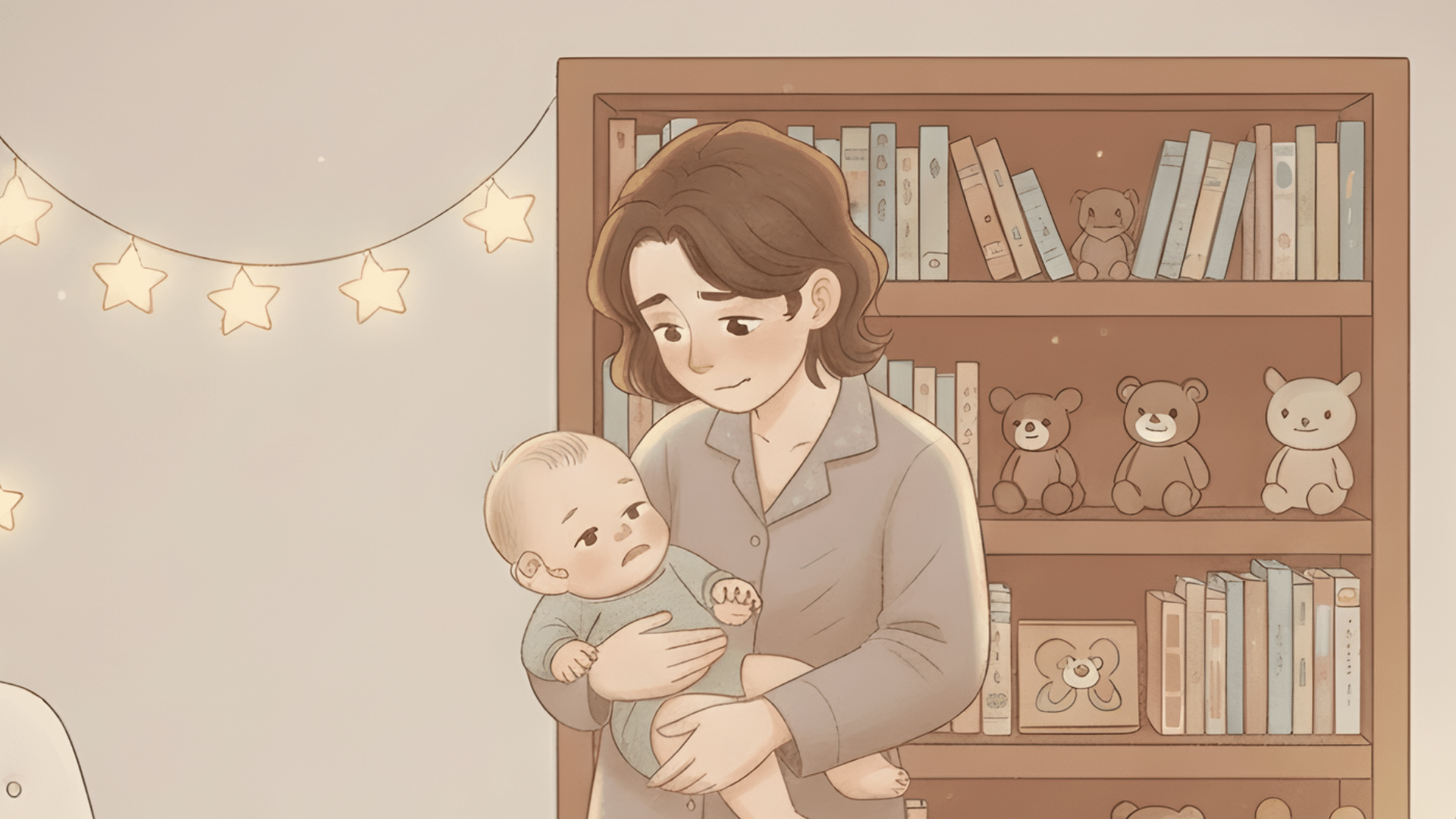
When babies fight sleep, it’s easy to feel stuck and unsure what to try next. A few calm, gentle steps can often ease the struggle without adding stress.
- Stay Calm and Slow Things Down: Babies can sense tension. Moving slowly and speaking softly helps signal that it’s time to rest.
- Keep Bedtime Predictable: Doing the same steps in the same order each night builds trust and comfort. Routine helps babies know what comes next.
- Offer Comfort Without Overdoing It: Pick up, soothe, and put your baby back down once calm. This supports them without creating new sleep struggles.
- Watch for Early Tired Signs: Acting early often prevents full meltdowns. Small timing changes can make a big difference.
- Be Patient With Progress: Some nights will still be hard. Consistency over time matters more than one perfect night.
Sleep challenges take time to improve. Gentle support and steady habits help babies learn to rest more easily.
Conclusion
When babies fight sleep, it can feel draining and never-ending. The important thing to remember is that this phase is usually normal and temporary.
Babies are learning how to rest while growing, changing, and adjusting to the world around them.
Small shifts in timing, routines, or environment can slowly make sleep feel easier for everyone. Progress may not happen overnight, but steady, gentle steps often lead to better nights.
I know how comforting it can be to understand what’s behind the struggle instead of guessing.
If sleep battles feel overwhelming or last longer than expected, don’t hesitate to reach out to your pediatrician or a trusted sleep professional for extra support and reassurance.