
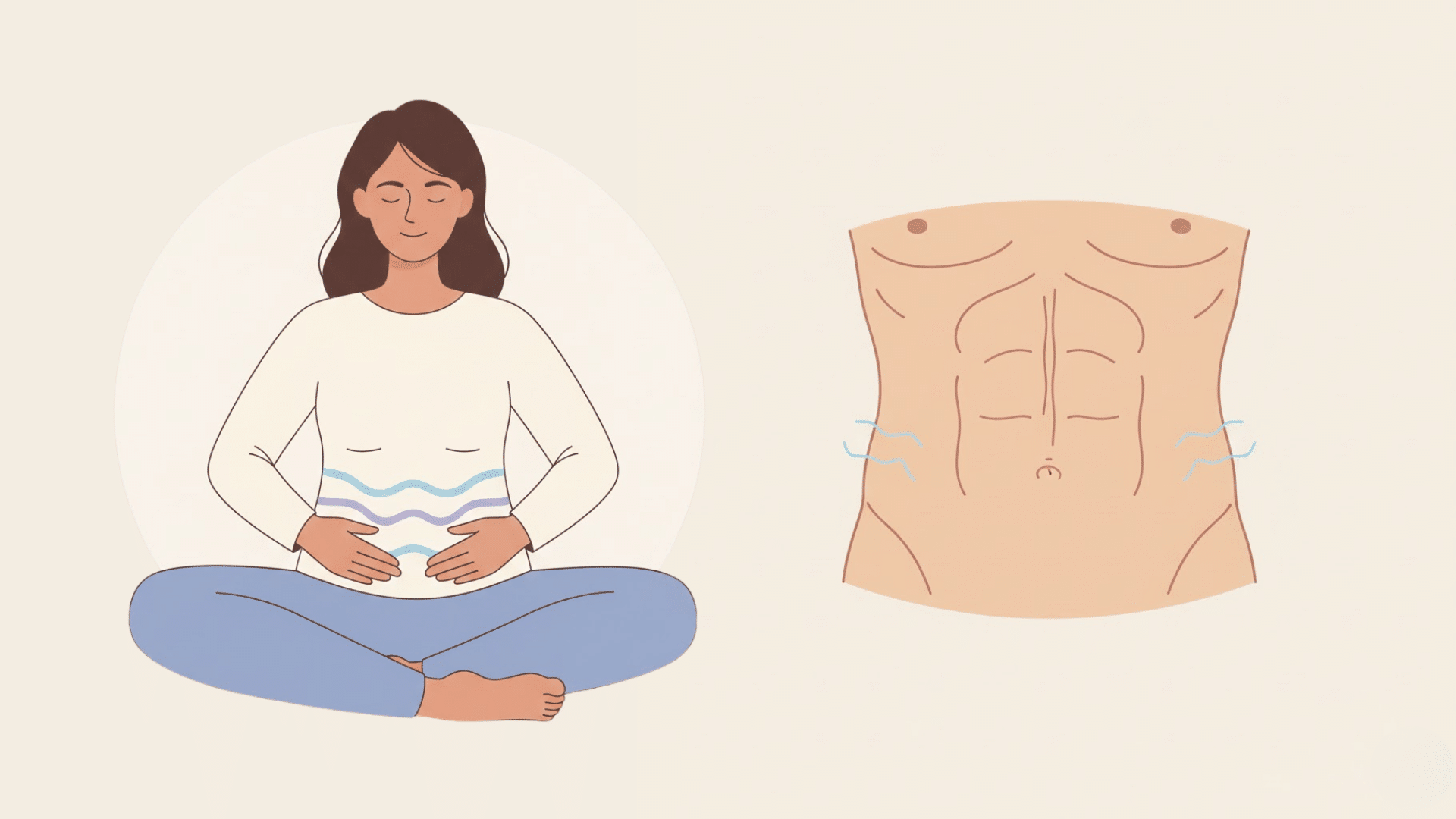
That soft flutter or twitch in your stomach can feel strange, even when it does not hurt. Many people notice it while resting, after exercise, or during a stressful day.
The good news is that painless stomach twitching is often harmless. Still, it is normal to wonder what is causing it and whether you should worry.
This guide breaks down the most common reasons for painless stomach twitching, what you can do at home, and when it may be time to talk to a doctor.
What Painless Stomach Twitching Feels Like
Painless stomach twitching often feels like a small flutter, jump, or pulsing movement under the skin. It may come and go and usually lasts only a few seconds at a time.
Many people notice it more when they are lying down, sitting quietly, or after exercise. The area may look like it is moving on its own, but there is no pain or soreness.
Some describe it as a gentle vibration or tapping feeling. These twitches are often muscle-related, not stomach pain or digestion problems.
In most cases, they feel strange but are not dangerous. Paying attention to when it happens can help you understand what may be triggering it.
Common Causes of Painless Stomach Twitching
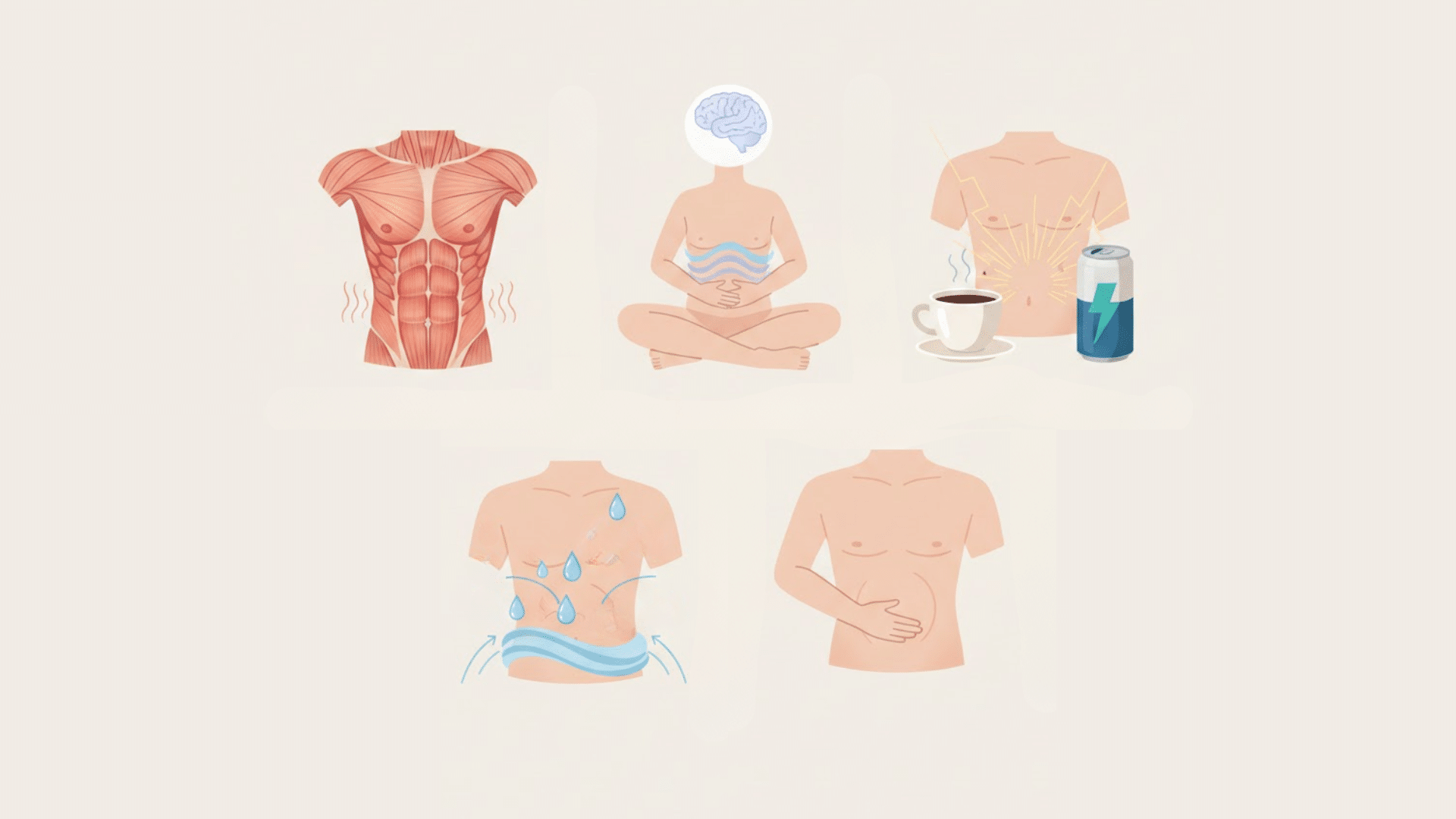
Painless stomach twitching is often linked to everyday habits or temporary body changes. In many cases, the cause is simple and not a sign of a serious problem.
1. Muscle Fatigue or Overuse
Your stomach muscles can twitch when they are tired or overworked. This often happens after core workouts, heavy lifting, or even long periods of coughing.
The muscles send small signals as they recover, which can feel like fluttering. These twitches usually fade with rest and time.
2. Stress and Anxiety Effects
Stress can make your nerves more active than usual. When this happens, muscles may twitch even if you are not moving much.
Many people notice stomach twitching during anxious moments or at the end of a stressful day. Once stress levels drop, the twitching often improves.
3. Caffeine and Stimulant Use
Too much caffeine can trigger muscle twitching. Coffee, energy drinks, and pre-workout mixes can overstimulate your nerves.
This extra stimulation may cause small muscle movements in the stomach area. Cutting back often helps reduce the twitching within a few days.
4. Dehydration and Electrolyte Imbalance
Your muscles need proper fluids and minerals to work smoothly. When you are dehydrated or low on electrolytes like magnesium or potassium, twitching can occur.
This is more common after sweating or not drinking enough water. Rehydrating usually brings relief.
5. Benign Muscle Fasciculations
Sometimes, muscles twitch for no clear reason. These harmless movements are called fasciculations and can happen anywhere in the body, including the stomach.
They are usually painless and not linked to disease. Stress, fatigue, or caffeine can make them more noticeable.
Digestive and Body-Related Triggers
Some stomach twitching is linked to digestion or normal body changes. These triggers are usually mild and often settle once the underlying issue improves.
| Trigger | What It Feels Like | Why It Happens | Helpful Tip |
|---|---|---|---|
| Gas and Bloating | Light fluttering or pressure | A full or bloated stomach can press on nearby muscles | Eat slowly and avoid overeating |
| Gut Sensitivity | On-and-off twitching during digestion | Sensitive nerves react to food movement | Track foods that cause symptoms |
| Mild Digestive Upset | Small movements without pain | Temporary irritation in the gut | Stay hydrated and rest |
| Post-Meal Changes | Twitching after eating | Blood flow shifts during digestion | Try smaller, balanced meals |
In most cases, these digestive triggers are short-lived and not harmful. Noticing patterns around meals and digestion can help you manage and reduce future twitching.
Medication and Lifestyle Factors
Some stomach twitching is linked to daily habits or things you take regularly. These factors can affect your nerves and muscles without causing pain.
- Supplements and Pre-Workout Products: Some supplements contain stimulants that can make muscles more active. Pre-workout drinks and fat burners are common triggers.
- Prescription and Over-the-Counter Medicines: Certain medicines can cause muscle twitching as a side effect. This includes some asthma medicines, stimulants, and mood-related drugs.
- Poor Sleep Habits: Lack of sleep can stress your nervous system. When your body is overtired, muscle twitching may become more noticeable. Better sleep routines often reduce symptoms.
- High Stress Lifestyle: Ongoing stress keeps your body in a constant alert state. This can lead to small muscle movements, including in the stomach area. Simple stress relief can make a big difference.
These triggers are often easy to adjust once you spot them.
Less Common Medical Causes
Most painless stomach twitching is harmless, but in some cases, it may be linked to a medical issue. These causes are less common and usually come with other symptoms.
1. Nerve Irritation or Pinched Nerves
Nerves send signals to your muscles to move. If a nerve becomes irritated or pinched, it may send extra signals by mistake.
This can cause repeated twitching in one spot, including the stomach area. You may also notice tingling or mild numbness nearby.
2. Thyroid or Metabolic Conditions
The thyroid helps control how your body uses energy. When it is overactive, muscles and nerves can become more sensitive.
This may lead to shaking or twitching in different parts of the body. Blood tests can help doctors check for this.
3. Neurologic Conditions
In rare cases, ongoing muscle twitching can be linked to nerve-related conditions. This type of twitching is often widespread and may come with weakness or muscle changes.
Most people with stomach twitching do not have these conditions. A doctor can help rule them out if needed.
When Painless Stomach Twitching Needs Medical Attention
Painless stomach twitching is often harmless, but there are times when it should not be ignored. Paying attention to other symptoms can help you decide when to see a doctor.
- Twitching That Lasts for Weeks: If the twitching keeps happening and does not improve with rest or simple changes, it is worth getting checked. Ongoing symptoms may need medical advice.
- Muscle Weakness or Numbness: Twitching along with weakness, tingling, or numbness is not typical. These signs may point to a nerve issue that needs evaluation.
- Twitching That Spreads: If twitching starts in the stomach and spreads to other areas of the body, it should be discussed with a doctor. This helps rule out nerve-related causes.
- Other Unusual Symptoms: Weight loss, fever, digestive changes, or fatigue along with twitching should not be ignored. These signs may need further testing.
Getting medical help does not always mean something serious is wrong. It simply helps you understand the cause and feel more at ease.
How Doctors Evaluate Ongoing Twitching
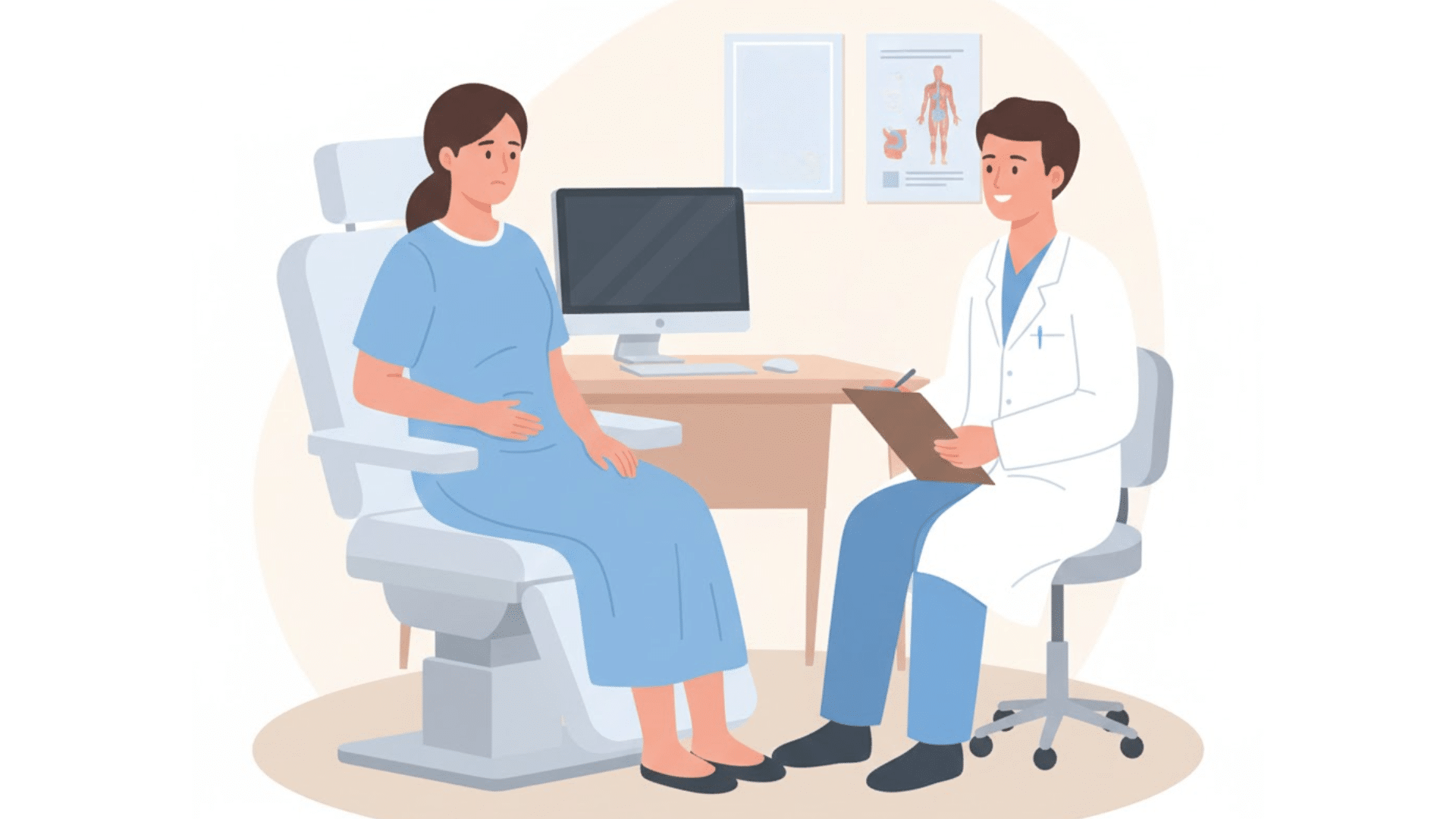
When stomach twitching does not go away, a doctor will start by asking detailed questions.
They will want to know how long the twitching has lasted, how often it happens, and what seems to trigger it. Your doctor may ask about exercise, stress, caffeine use, and sleep habits.
A basic physical exam is often done to check muscle strength and nerve response. In some cases, blood tests are ordered to look for electrolyte or thyroid changes.
If needed, further tests may be suggested to rule out nerve problems. In most cases, these checks help confirm that the twitching is not serious.
Tips to Reduce and Prevent Twitching
Small daily changes can often calm stomach twitching and stop it from coming back. These steps support healthy muscles and a relaxed nervous system.
| What Helps | Why It Works | Easy Tip |
|---|---|---|
| Stay Hydrated | Fluids support smooth muscle movement | Drink water throughout the day |
| Cut Back on Caffeine | Less stimulation for nerves and muscles | Limit coffee and energy drinks |
| Rest Your Core Muscles | Helps muscles recover and relax | Avoid intense core workouts for a few days |
| Manage Stress | Calms nerve signals in the body | Try deep breathing or short walks |
| Improve Sleep | Allows muscles and nerves to reset | Aim for a regular sleep schedule |
Most people notice improvement within a few days of these changes. Staying consistent with these habits can help prevent future twitching episodes.
Conclusion
Painless stomach twitching can feel strange, but in most cases, it is not a serious problem.
It is often linked to tired muscles, stress, dehydration, or caffeine use. Simple changes like better sleep, proper hydration, and lowering stress can make a big difference.
Still, it is important to listen to your body. If the twitching lasts for weeks, spreads, or comes with other symptoms, a doctor visit can bring peace of mind.
Understanding what triggers your twitching helps you feel more in control. If you are unsure about your symptoms or want help figuring out possible causes, talk to a healthcare professional.
Getting clear answers early can help you stay calm and confident about your health.