Most parents wonder when to introduce a sippy cup and how to do it without stress. The advice online can feel confusing, especially when every baby seems different.
Some babies take to a cup quickly, while others want nothing to do with it at first. That’s completely normal.
I’ve noticed that understanding the right age, signs of readiness, and simple transition steps makes the process much easier.
In this guide, you’ll learn when to introduce a sippy cup, what experts recommend, and how real parents handle the switch from bottle to cup.
When to Introduce a Sippy Cup
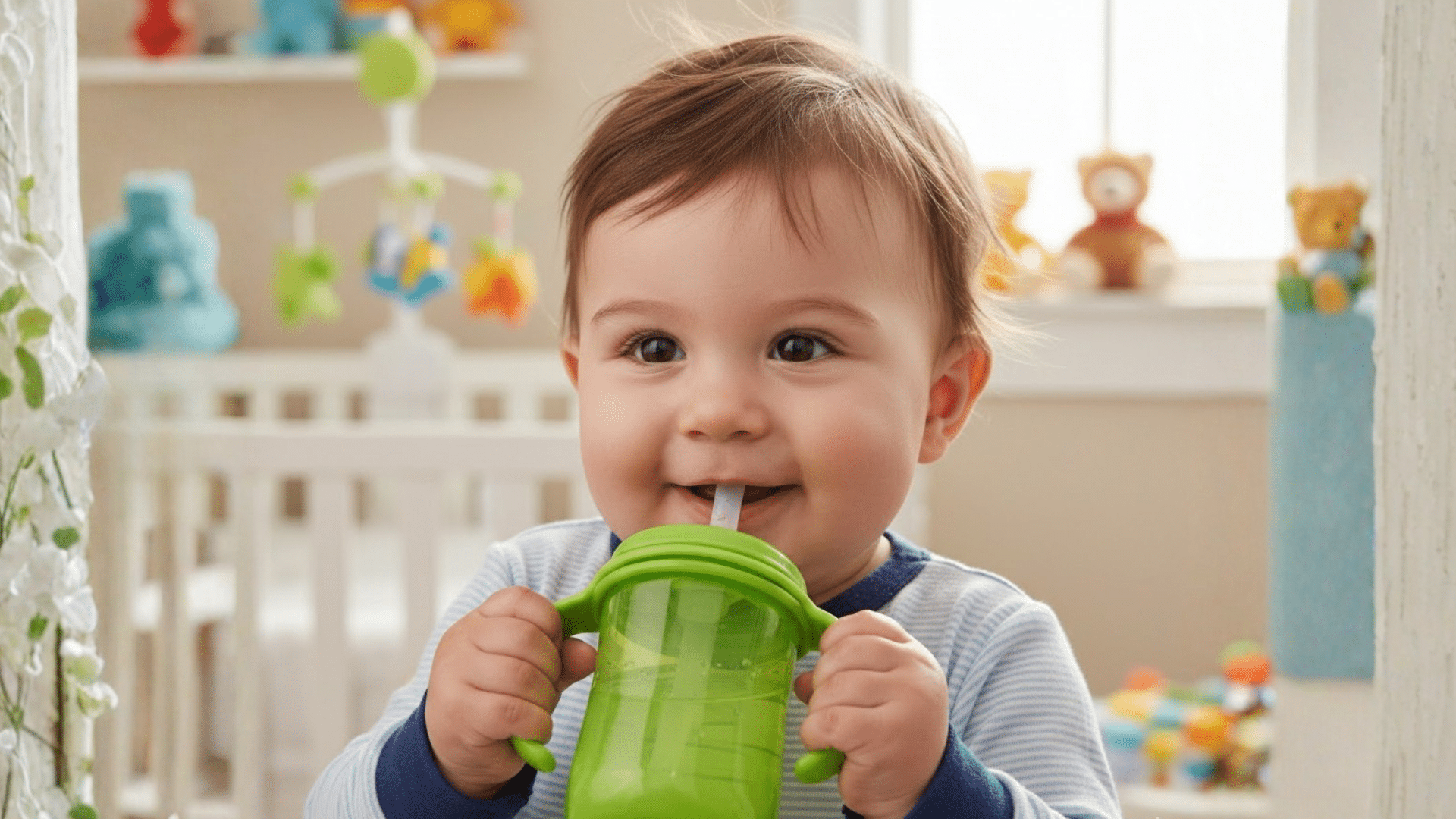
Most babies are ready to try a sippy cup around six months of age. This usually lines up with the time they start eating solid foods.
At first, the sippy cup is just for practice, not a full replacement for bottles or breastfeeds. Your baby may take small sips or even spill most of the drink, and that’s okay.
The goal is to help them learn how to hold a cup and sip from it.
Age Timeline
- Around 6 months: Offer a sippy cup with small amounts of water during meals. This stage is for practice, not full drinking.
- 6 to 9 months: Encourage regular cup practice at mealtimes as hand control and interest improve.
- 9 to 12 months: Many babies start drinking more confidently from a sippy or straw cup with less help.
- 12 to 18 months: Gradually work toward replacing most bottles with cups, saving comfort feeds for last.
Note: Every baby moves at their own pace, so use this timeline as a guide, not a rule.
Signs Your Baby is Ready for the Transition
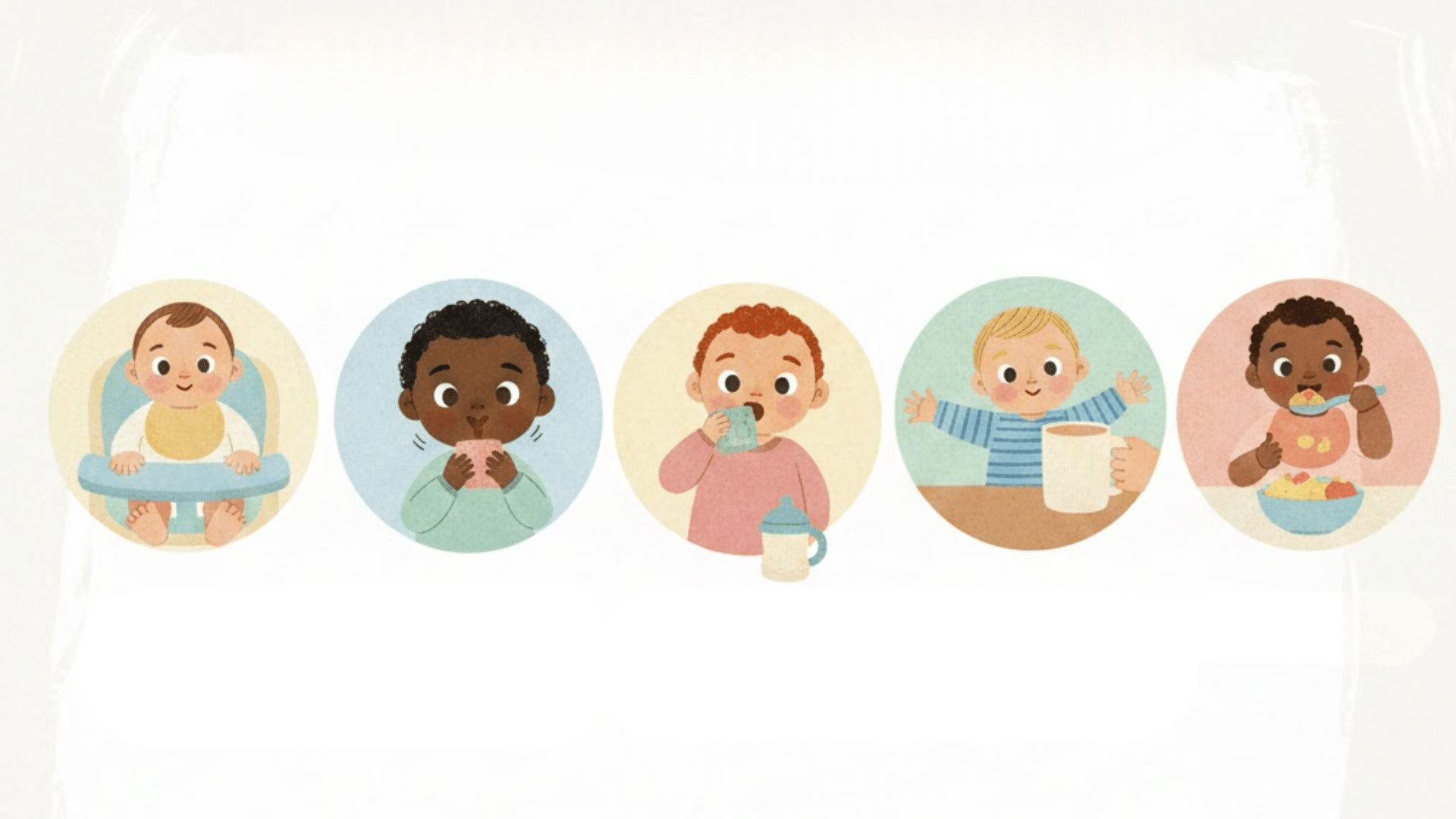
Every baby is different, but most show a few clear signs before they’re ready for a sippy cup. Watching for these signs can help you start at the right time and avoid frustration.
- Sits with support: Your baby can sit upright with little help, which makes sipping safer and easier.
- Good head and neck control: This helps your baby swallow properly without choking.
- Brings objects to mouth: Many babies explore by chewing or sucking, including cups.
- Shows interest in your cup: Reaching for your drink or watching you sip is a great sign.
- Handles solid foods well: Comfort with purées or soft foods often means they’re ready to try a cup.
If your baby doesn’t show these signs yet, that’s okay. Waiting a few weeks and trying again is completely normal.
Types of Sippy Cups to Choose From
Not all sippy cups work the same way, and some are better for learning than others. Choosing the right type can make the transition easier for both you and your baby.
| Cup Type | What It Is | Pros | Things To Watch Out For |
|---|---|---|---|
| Soft Spout Sippy Cup | A cup with a flexible spout that feels similar to a bottle | Easy for beginners, familiar feel | Can keep sucking habits if used too long |
| Hard Spout Sippy Cup | A cup with a firm spout | Durable and chew-resistant | Less gentle on gums, not ideal long term |
| Straw Cup | A cup with a built-in straw | Helps develop sipping skills, less spill | May take practice at first |
| Open Cup | A small open cup without a lid | Supports natural drinking skills | Messy and needs close supervision |
The best choice often depends on your baby’s comfort and skills. Many parents start with one style and switch as their baby learns and grows.
Steps to Transition From Bottle to Sippy Cup
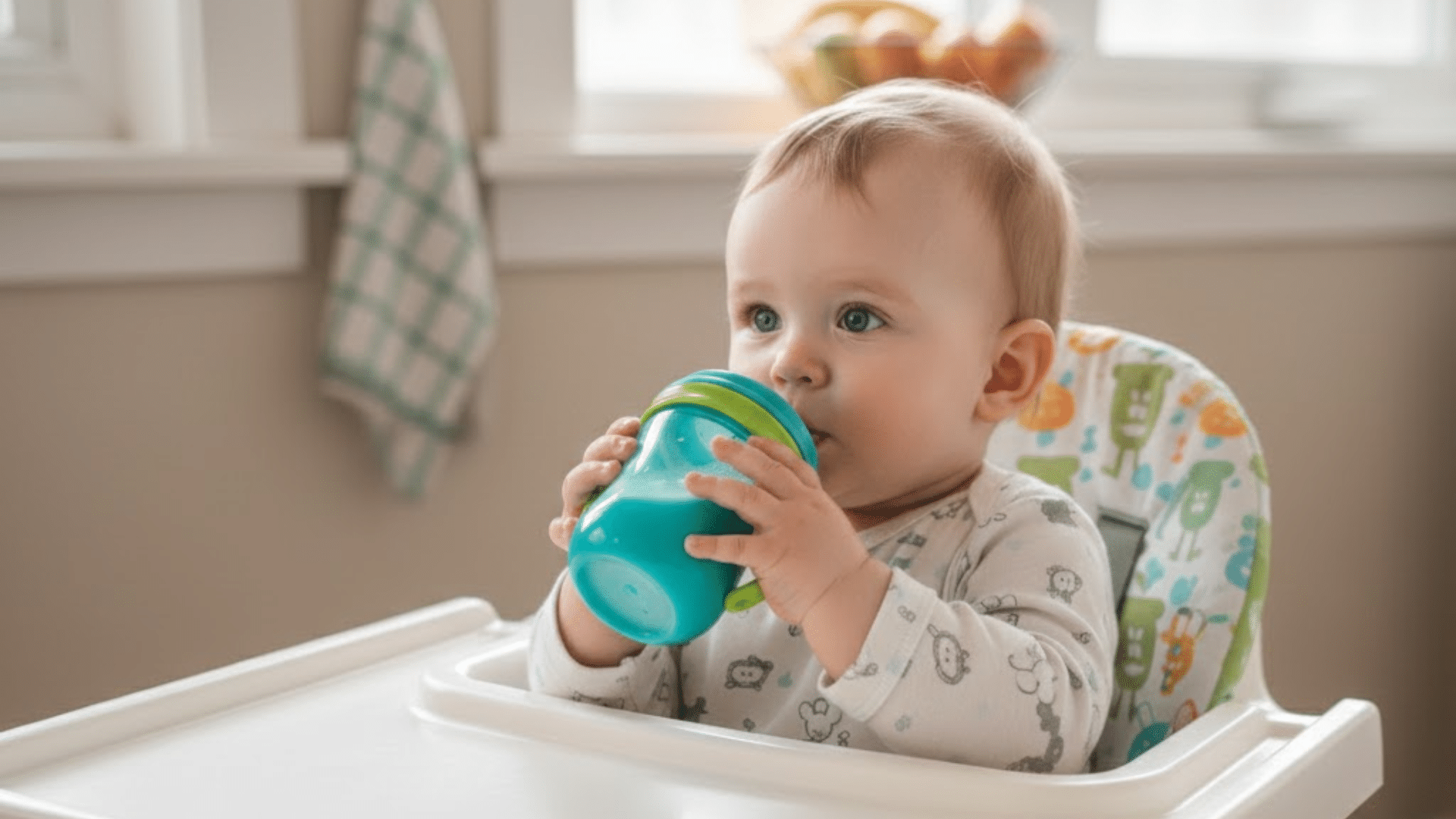
Moving away from the bottle can feel like a big step, but it doesn’t have to be stressful. I’ve found that taking it slow and following a simple plan helps both babies and parents feel more comfortable.
1. Choose One Bottle to Replace First
Start with a bottle your baby is least attached to, often a mid-day feed. Offer a sippy cup at this time instead of the bottle.
Keep the rest of the routine the same so your baby doesn’t feel overwhelmed. If your baby refuses at first, stay calm and try again the next day. This slow start helps your baby adjust without pressure.
2. Offer the Sippy Cup Before the Bottle
At feeding time, offer the sippy cup first and give your baby a few minutes to try. If they get frustrated or don’t drink much, you can still offer the bottle.
This approach builds familiarity without taking away comfort. Over time, your baby will start taking more sips from the cup on their own.
3. Replace Bottles Gradually
Once your baby accepts the sippy cup for one feed, move on to another bottle. Replace bottles one at a time over several days or weeks.
Morning and bedtime bottles are usually the hardest, so save those for last. A slow pace helps avoid tears and feeding battles.
4. Change the Routine to Break the Habit
Babies often link bottles with certain places or times. Try offering the sippy cup in a new chair or during meals instead of quiet bottle moments.
Small routine changes can help your baby see the cup as something new and normal. Consistency matters more than speed during this stage.
Common Challenges and How to Handle Them
Every baby reacts differently to a sippy cup, and some bumps along the way are normal. I’ve seen that knowing common problems ahead of time makes them much easier to handle.
Challenge: Baby refuses the sippy cup
Fix: Try a different cup style, like switching from a spout to a straw. Offer the cup during meals when your baby is relaxed, not overly hungry. Let them play with the cup so it feels familiar.
Challenge: Baby bites or chews the spout
Fix: Biting is common, especially during teething. Switch to a straw cup or a firmer spout that’s harder to chew. Keep an eye on wear and replace damaged cups.
Challenge: Baby drinks very little from the cup
Fix: Remember the cup is for practice at first. Offer small amounts and stay patient. Drinking skills improve with time and regular exposure.
Challenge: Baby drinks too much from the cup
Fix: Use water in the sippy cup most of the day and save milk for meals. Avoid letting your baby sip all day, which can affect appetite and teeth.
Stay consistent, keep things calm, and trust that your baby will learn at their own pace.
What Experts and Parents Say
Experts mostly agree on two big things: Start cup practice around the time solids begin, and don’t let bottles drag on for too long. The “how” can look different in every home, but a slow and steady plan is common advice.
Expert Opinions:
HealthyChildren.org (American Academy of Pediatrics) says you can offer a cup when solids start, usually around 6 months, and that sippy cups are mainly for learning.
“Offer your child a cup when they start eating solid foods, usually around 6 months.” – HealthyChildren.org
Cleveland Clinic also shares a similar timeline and points out why waiting too long can make it harder.
“At around 12 months, kids start becoming emotionally attached to their bottles.” – Cleveland Clinic, Dr. Sherman
The Bump notes AAP’s general goal to finish the bottle-to-cup transition in the toddler window, and includes a pediatrician tip that starting earlier often reduces pushback later.
“The sooner you do it, the less stubborn they’ll be.” – The Bump, Danelle Fisher, MD, FAAP
Some dental and feeding pros lean toward straw or open cups, since they can support more “regular cup” skills over time. You’ll see different opinions here, but straw cups come up a lot.
“The straw sippy cup… with no valves… is truly the best.” – The Lafayette Mom, Pediatric Dentist Perspective
Parents’ Opinions:
Parents often share the same theme: their baby can learn to use the cup, but still wants the bottle when tired, hungry, or cranky.
“We introduced sippy cups around 7.5 months… if they are too hungry or too tired… only the bottle works.” – carolina1178, The Bump Forums
“We have been introducing the sippy and regular cup during every table meal.” – mojito14, The Bump Forums
“Eldest… introduced sippy cup at 12 months but kept the bottle for bedtimes and mornings until 3…” – AmySma1, Mumsnet
“A free flow sippy cup, held by you, might also work.” – BoeBarlow, Mumsnet
Experts: start practice around solids and work toward bottle-weaning in toddlerhood, before bottles become a strong comfort habit.
Parents: expect back-and-forth (cup at meals, bottle when tired), and focus on steady progress.
Safety Tips Parents Should Know
Sippy cups are meant to help babies learn, but a few safety basics are easy to miss. Keeping these tips in mind can help protect your baby while they practice new drinking skills.
- Always supervise cup use: Babies can still cough or spill, especially when learning. Stay nearby during cup time.
- Check cups for damage: Cracked spouts, loose parts, or worn straws can become choking risks. Replace damaged cups right away.
- Avoid letting the baby lie down with a cup: Drinking while lying flat can raise choking and ear infection risks.
- Keep cups clean: Wash cups daily and take apart all pieces to prevent mold and bacteria buildup.
- Use age-appropriate cups: Follow the manufacturer’s age guidance to match your baby’s skill level.
A few small safety habits go a long way. With supervision and the right cup, sippy cup practice can stay both safe and stress-free.
Conclusion
Introducing a sippy cup is a small step that leads to a big change over time. The process doesn’t need to feel rushed or stressful, and progress often comes in tiny wins.
I believe that watching your baby’s cues, staying patient, and keeping things simple makes a real difference.
Some days will feel easy, and others may feel slow, and that’s completely normal. What matters most is creating positive habits that grow with your child.
If you’re just starting or still in the middle of the transition, trust yourself and take it one step at a time.