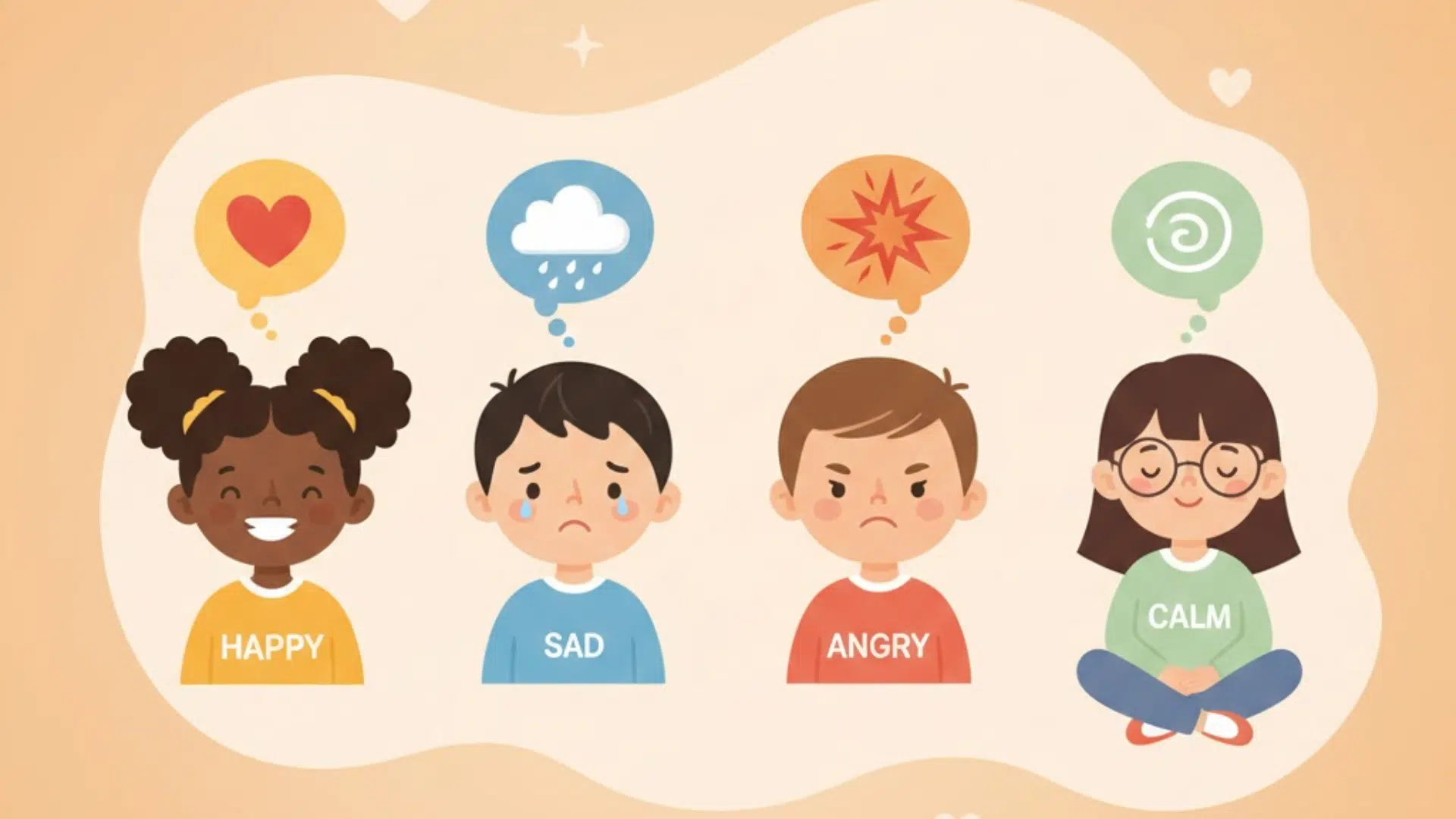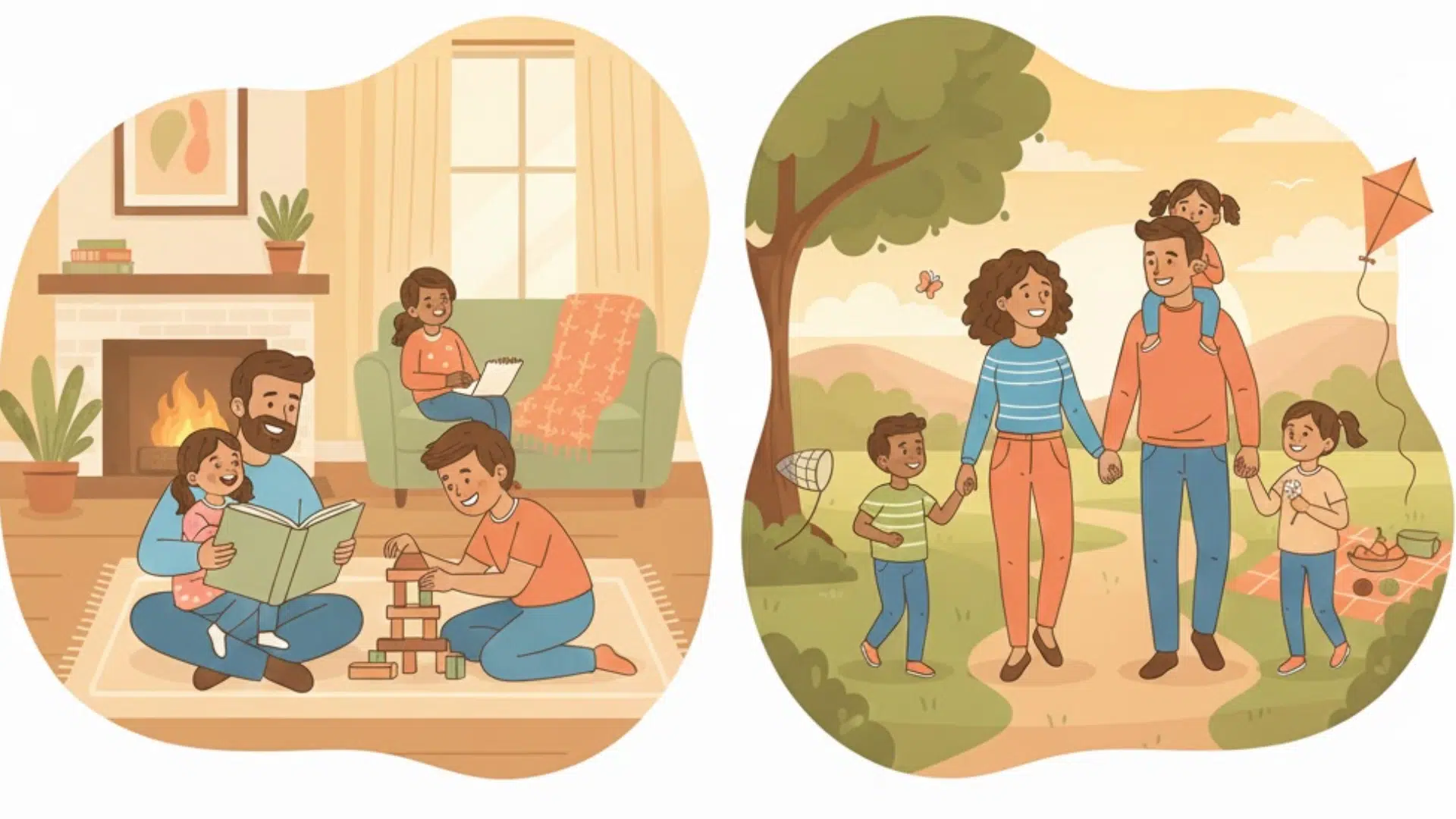
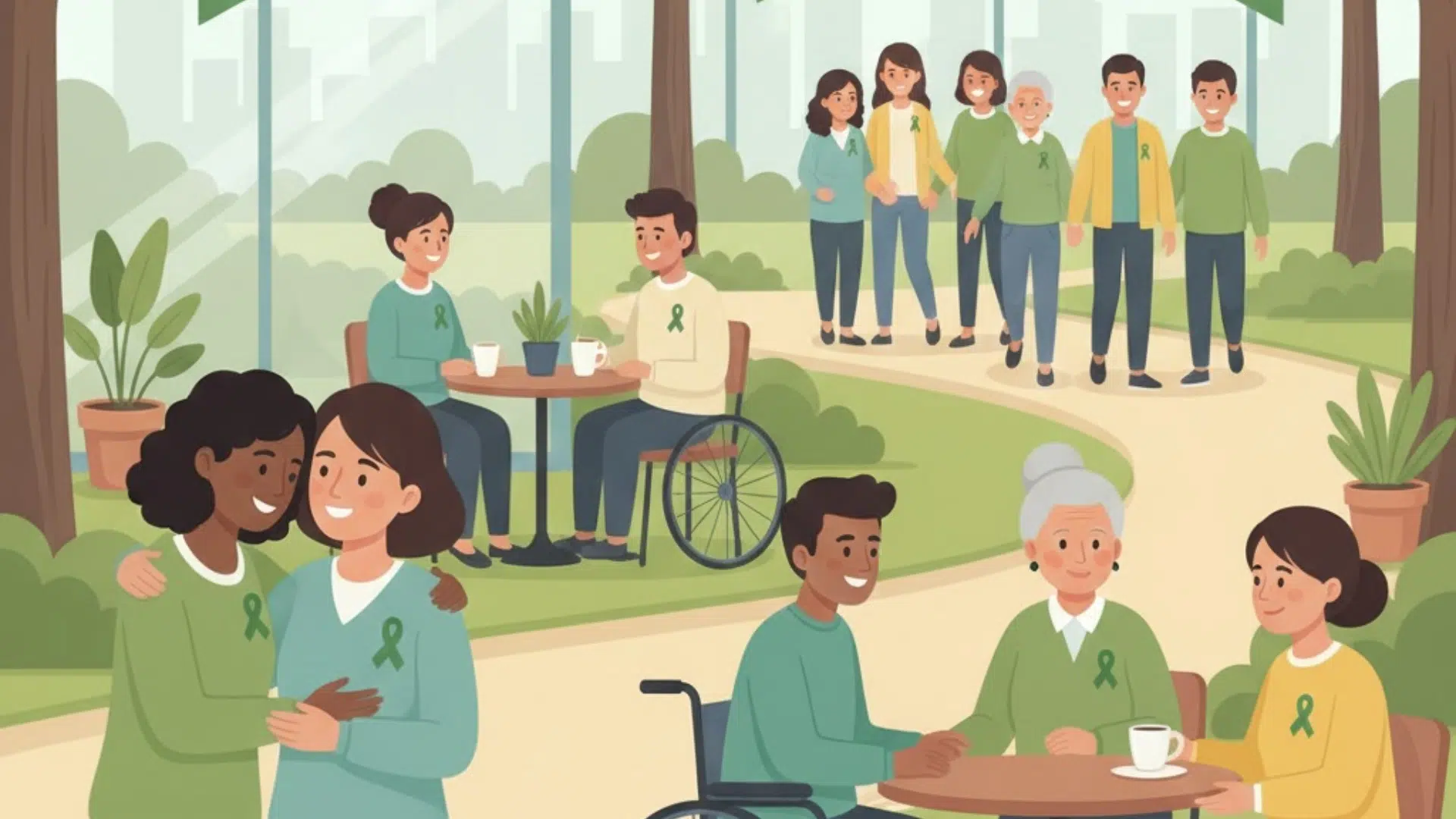
Mental Health Awareness Month is a great time to pause, reflect, and talk openly about mental well-being. But many people feel unsure about what activities to plan or how to get others involved.
That’s where the right ideas can make a real difference. From small daily actions to community-wide events, even simple efforts can start important conversations.
In this guide, you’ll find practical and creative activity ideas that help people connect, learn, and feel supported.
What Mental Health Awareness Month is About
Mental Health Awareness Month is about bringing mental health into everyday conversations.
It takes place every May and focuses on helping people understand that mental health matters just as much as physical health. The goal is to reduce stigma, share helpful resources, and remind people they are not alone.
This month also encourages communities, schools, and workplaces to create safe spaces where people feel comfortable asking for help.
Mental Health Awareness Month is not about having all the answers. It is about listening, showing care, and taking small steps that support well-being for everyone.
Mental Health Awareness Month Activity Ideas
These activity ideas are simple, creative, and easy to adapt for different groups and budgets.
Creative Community Event Ideas for May
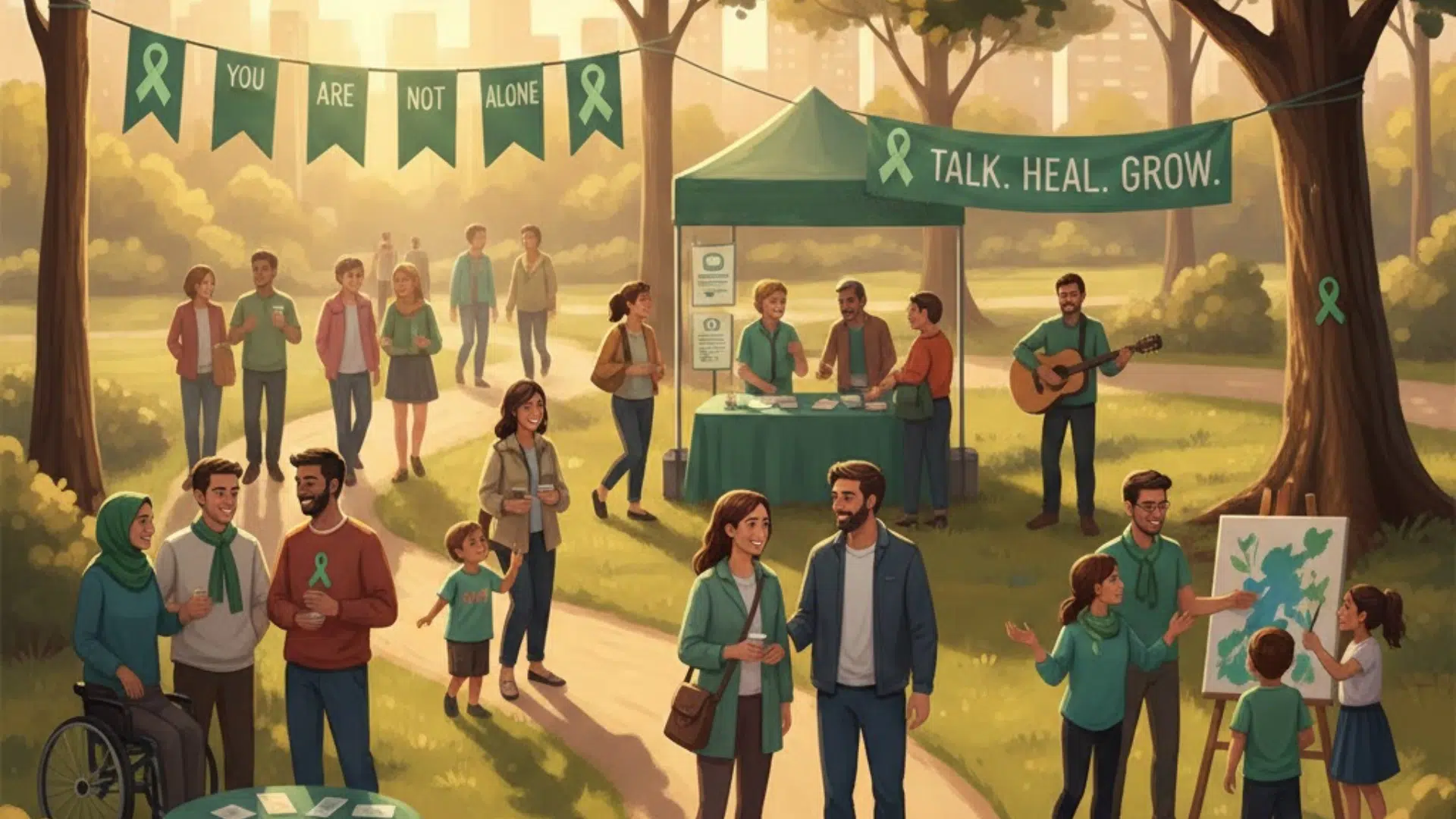
These ideas help communities connect, share support, and learn about mental health in a relaxed way.
- Community Wellness Fair – Set up small booths with local counselors, nonprofits, and wellness groups. Add simple activities like breathing cards or stress quizzes.
- Mental Health Movie Night – Host an outdoor or indoor movie showing with a mental health theme. Follow it with a short, guided discussion for anyone who wants to join.
- Mindful Art in the Park – Provide paints, chalk, or craft supplies in a public space. Let people create art that reflects calm, hope, or self-care.
- Community Gratitude Wall – Put up a large board where people can post notes of thanks or encouragement. This helps spread positive messages in shared spaces.
- Guided Nature Walk – Organize a slow walk with short mindfulness prompts along the way. Focus on breathing, sounds, and being present.
- Open Mic for Mental Health – Invite people to share poetry, music, or short stories. Keep it optional and supportive, with clear ground rules.
- Self-Care Pop-Up Station – Set up a table with stress balls, journals, or calming tips. Offer quick take-home resources and support contacts.
- Community Picnic With Purpose – Host a casual picnic and include short mental health talks. Mix food, fun, and simple learning moments.
- Green Ribbon Day – Hand out green ribbons or pins at busy locations. Share a small card explaining why mental health matters.
- Mental Health Resource Scavenger Hunt – Create clues that lead to local support services and tips. Make it fun while helping people learn where to get help.
Activities for Schools and Colleges
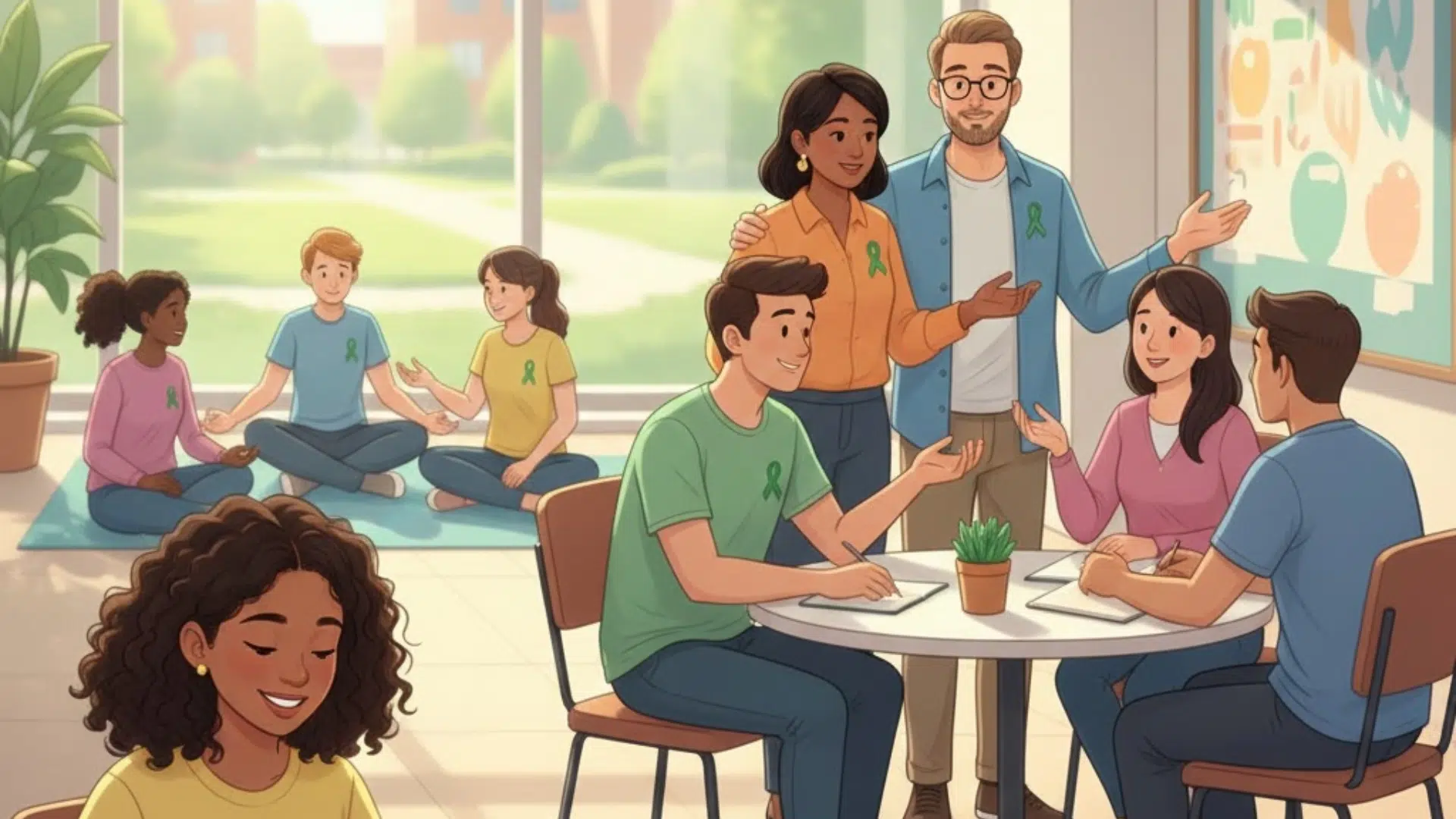
These activities help students talk about mental health in ways that feel safe, age-appropriate, and easy to join.
- Mental Health Awareness Assembly – Host a short assembly with a counselor or speaker who explains mental health using simple, real-life examples students can relate to.
- Coping Skills Bulletin Board – Create a board where students add notes about healthy ways they manage stress, worry, or school pressure.
- Feelings Vocabulary Wall – Display common emotions with short explanations so students can better name and understand how they feel.
- Mindful Morning Announcements – Start the day with a 30-second calming message, breathing tip, or positive reminder during announcements.
- Journaling Breaks in Class – Give students five quiet minutes to write about their thoughts, stress, or gratitude without sharing unless they want to.
- Stress-Free Zone During Exams – Set up a room with soft music, puzzles, and coloring sheets for students who need a mental break.
- Peer Support Pledge Board – Invite students to sign a pledge to check in on friends and ask for help when needed.
- Mental Health Poster Contest – Ask students to design posters that share positive messages about self-care and support.
- Parent and Student Info Night – Host a short session that explains warning signs, coping tools, and where to find help.
- Wellness Club Open House – Let students learn about existing wellness or mental health clubs and learn how to get involved.
Awareness Activities for Workplaces
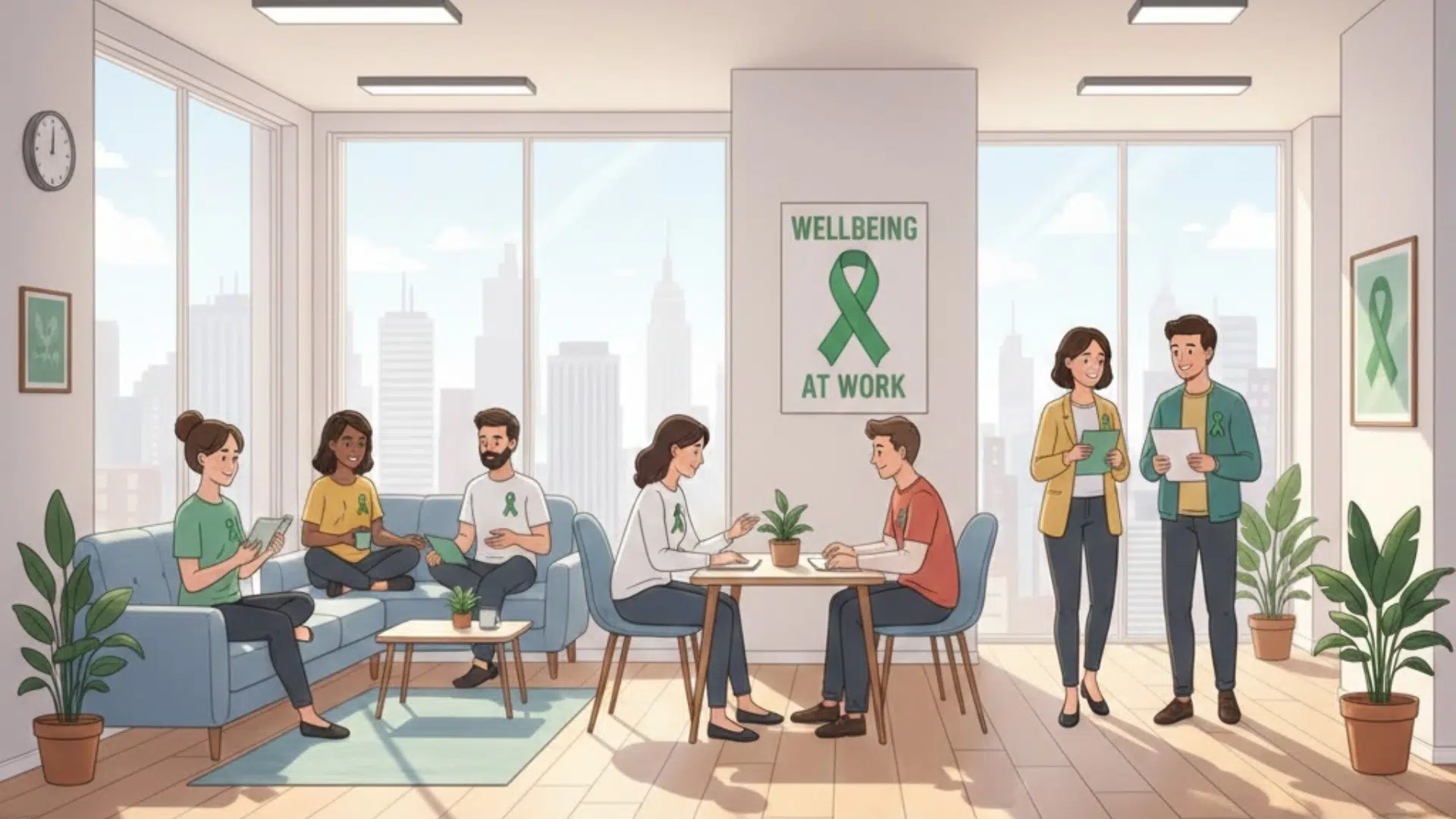
These ideas help employees feel supported while keeping activities respectful, optional, and easy to fit into the workday.
- Mental Health Check-In Survey – Share a short, anonymous survey that asks employees how they are feeling and what support would help them most.
- No-Meeting Wellness Hour – Set one hour each week with no meetings so employees can rest, reset, or catch up without pressure.
- Manager Support Mini-Training – Offer a short session that teaches managers how to listen, respond with care, and guide employees to help.
- Wellness Email Series – Send weekly emails with simple tips on stress, sleep, focus, and work-life balance using clear language.
- Quiet Room or Calm Corner – Create a small space where employees can step away, breathe, or sit quietly when feeling overwhelmed.
- Anonymous Question Box – Allow employees to submit mental health questions that are answered by an expert in a group session or by email.
- Mental Health Resource Spotlight – Highlight one support option each week, such as EAPs, hotlines, or therapy benefits.
- Team Gratitude Messages – Encourage teams to share short thank-you notes that recognize effort, support, and kindness.
- Walk-and-Talk Breaks – Suggest short walking meetings or solo walks to support movement and mental clarity.
- Leadership Story Share – Invite leaders to share a brief, honest message about managing stress or asking for help.
Social Media and Digital Activities
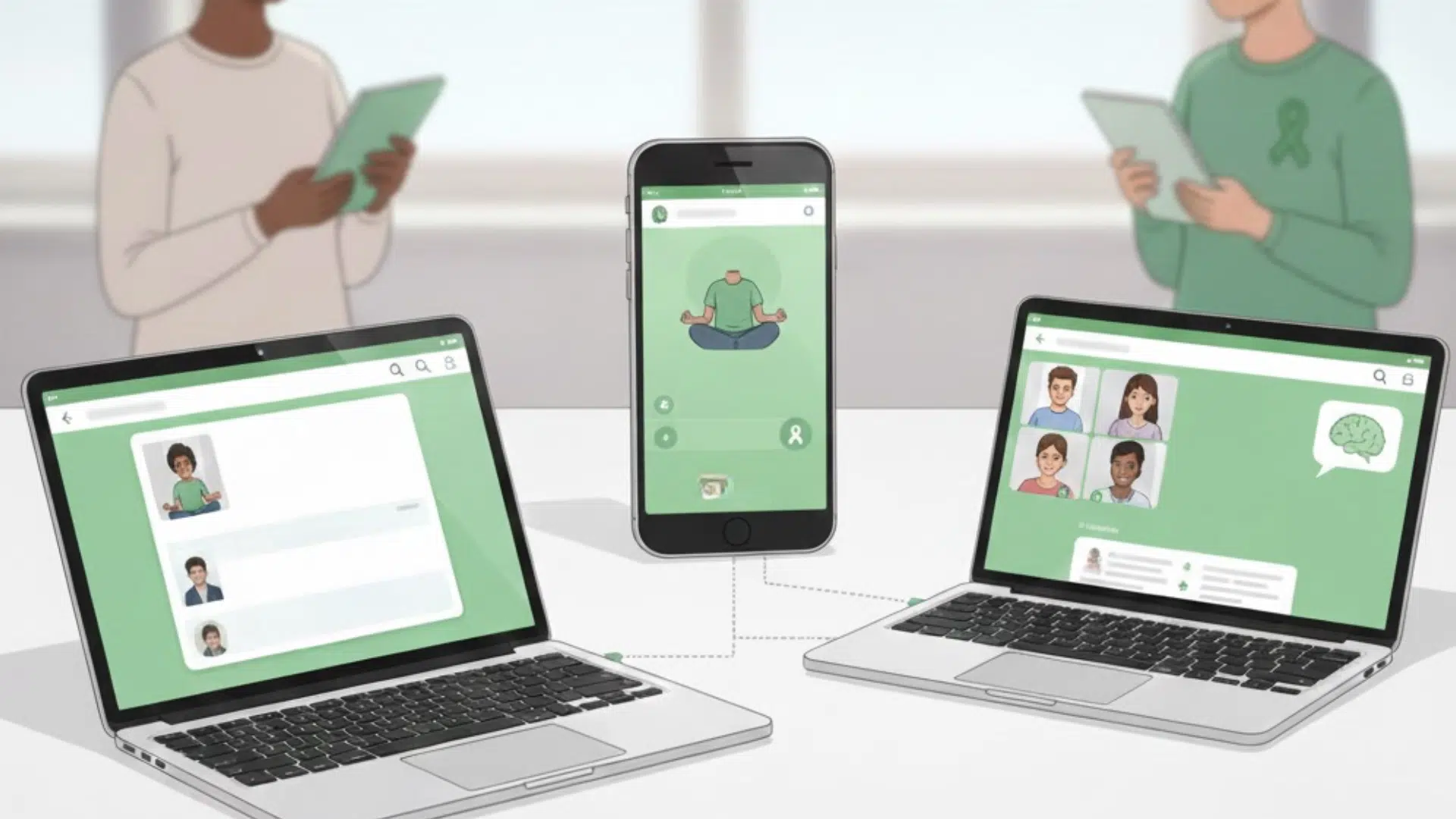
These ideas help spread awareness online in ways that feel real, supportive, and easy to engage with.
- Daily Mental Health Tip Posts – Share one short, practical tip each day in May that focuses on stress relief, rest, or healthy habits.
- Anonymous Story Submissions – Invite people to submit short mental health stories or lessons learned, then post them without names.
- One-Minute Video Series – Create quick videos where experts or community members share one helpful mental health habit.
- Mental Health Myth-Busting Posts – Post simple graphics that clear up common mental health myths using clear, friendly language.
- Self-Care Bingo Challenge – Share a bingo card with small self-care actions people can complete and post about.
- Polls and Question Stickers – Use polls to ask gentle questions about stress, rest, or coping habits to boost interaction.
- Resource Highlight Reels – Create short posts that explain one mental health resource and how it can help.
- Mental Health Quote With Context – Share quotes paired with a short explanation so the message feels useful, not vague.
- Digital Gratitude Chain – Ask followers to tag someone who has supported their mental health and explain why.
- Live Guided Breathing Session – Host a short live session that walks viewers through simple breathing or grounding exercises.
Fundraising and Give-Back Activities
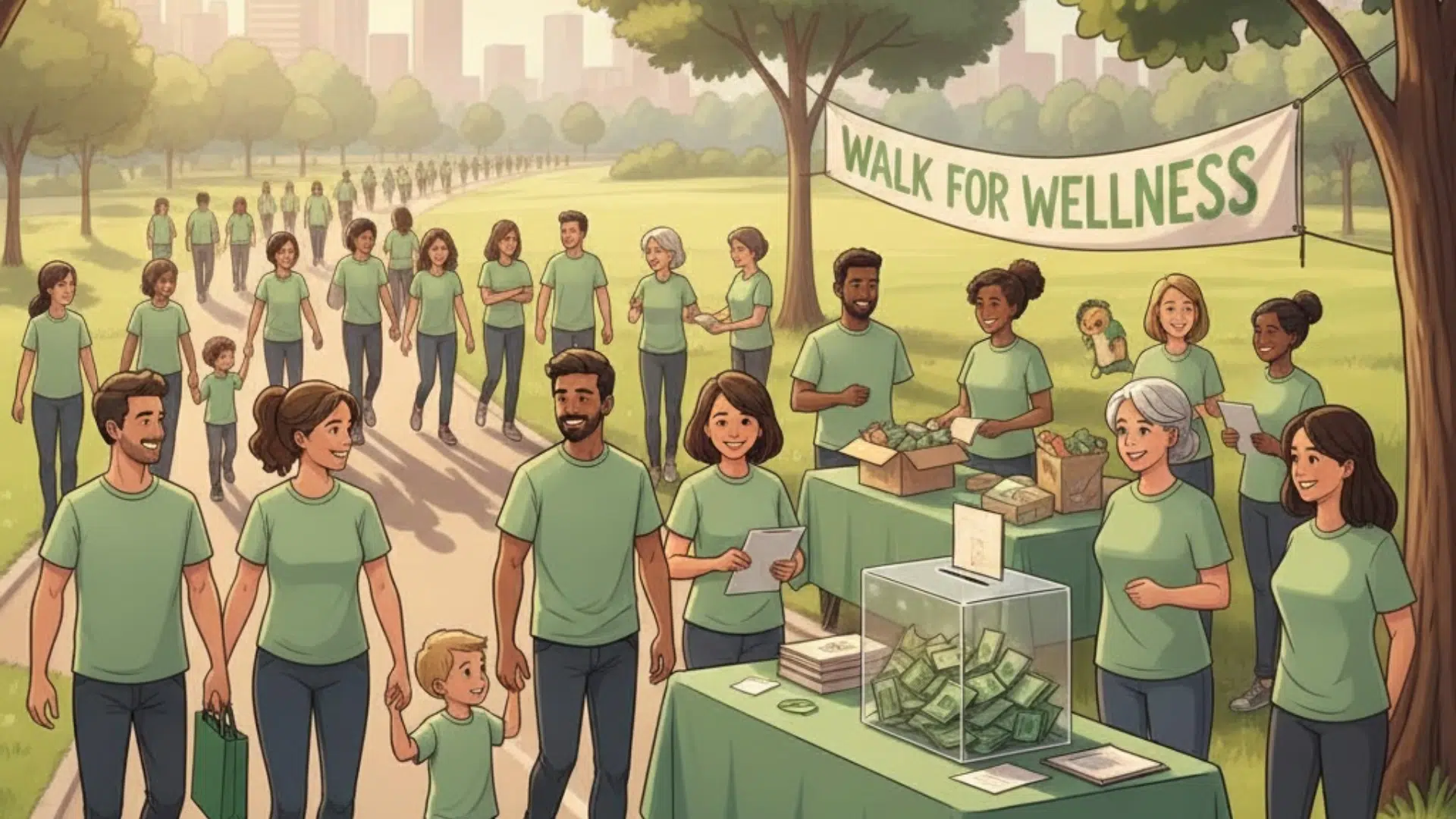
These ideas focus on giving back in meaningful ways while helping people support mental health causes together.
- Community Donation Drive – Collect items like journals, blankets, or self-care kits and donate them to local shelters or support centers.
- Charity Walk or Fun Run – Organize a short walk or run where entry fees support a mental health organization.
- Local Business Give-Back Day – Partner with a café or shop that donates a portion of sales to a mental health cause.
- Online Crowdfunding Campaign – Set up a simple fundraising page and share why the cause matters to your community.
- Pay-It-Forward Wall – Encourage people to donate small amounts that help cover counseling sessions or support services for others.
- Art or Craft Sale for Awareness – Sell handmade art, prints, or crafts created by community members to raise funds.
- Benefit Class or Workshop – Host a yoga, fitness, or creative class where ticket sales support mental health programs.
- Mental Health Book Drive – Collect books focused on wellness, coping, and emotional growth for schools or libraries.
- Volunteer Service Day – Bring people together to volunteer with local mental health groups or community support programs.
- Sponsor-a-Resource Campaign – Ask donors to fund specific needs like helplines, printed resources, or support toolkits.
Choose ideas that feel right for your audience, keep the message simple, and focus on creating spaces where support feels easy and real.
Four-Week Plan for Mental Health Awareness Month
This simple four-week plan helps you spread awareness without doing too much at once. Each week builds on the last, making it easier for people to learn, connect, and take action.
| Week | Focus Area | Simple Activities |
|---|---|---|
| Week 1 | Awareness and Visibility | Posters, kickoff message, green visuals |
| Week 2 | Learning and Education | Workshops, myth-busting posts, talks |
| Week 3 | Connection and Support | Group activities, peer check-ins |
| Week 4 | Action and Resources | Fundraising, resource sharing |
Inclusive and Trauma-Informed Planning Tips:
- Make all activities optional and avoid putting anyone on the spot.
- Use clear, supportive language and stay away from blame or judgment.
- Share help resources at every event, both local and national.
- Offer quiet spaces or online options for people who prefer privacy.
- Give content warnings when topics may feel heavy or sensitive.
- Keep instructions simple so everyone can follow along easily.
- Respect different cultures, backgrounds, and comfort levels.
- Focus on listening and support, not fixing or diagnosing.
Supporting mental health works best when people feel safe, respected, and included. Thoughtful planning helps turn awareness into care that lasts beyond the month.
Conclusion
Mental Health Awareness Month is a reminder that small actions can make a real difference.
You don’t need big events or a large budget to support mental well-being. Simple conversations, shared resources, and thoughtful activities can help people feel seen and supported.
The most important thing is to choose ideas that fit your community and feel safe for everyone involved. When people feel included, they are more likely to join in and keep the conversation going.
Use this month as a starting point, not an end. Pick one or two ideas from this guide and take the first step. Your effort could help someone feel less alone and more supported.