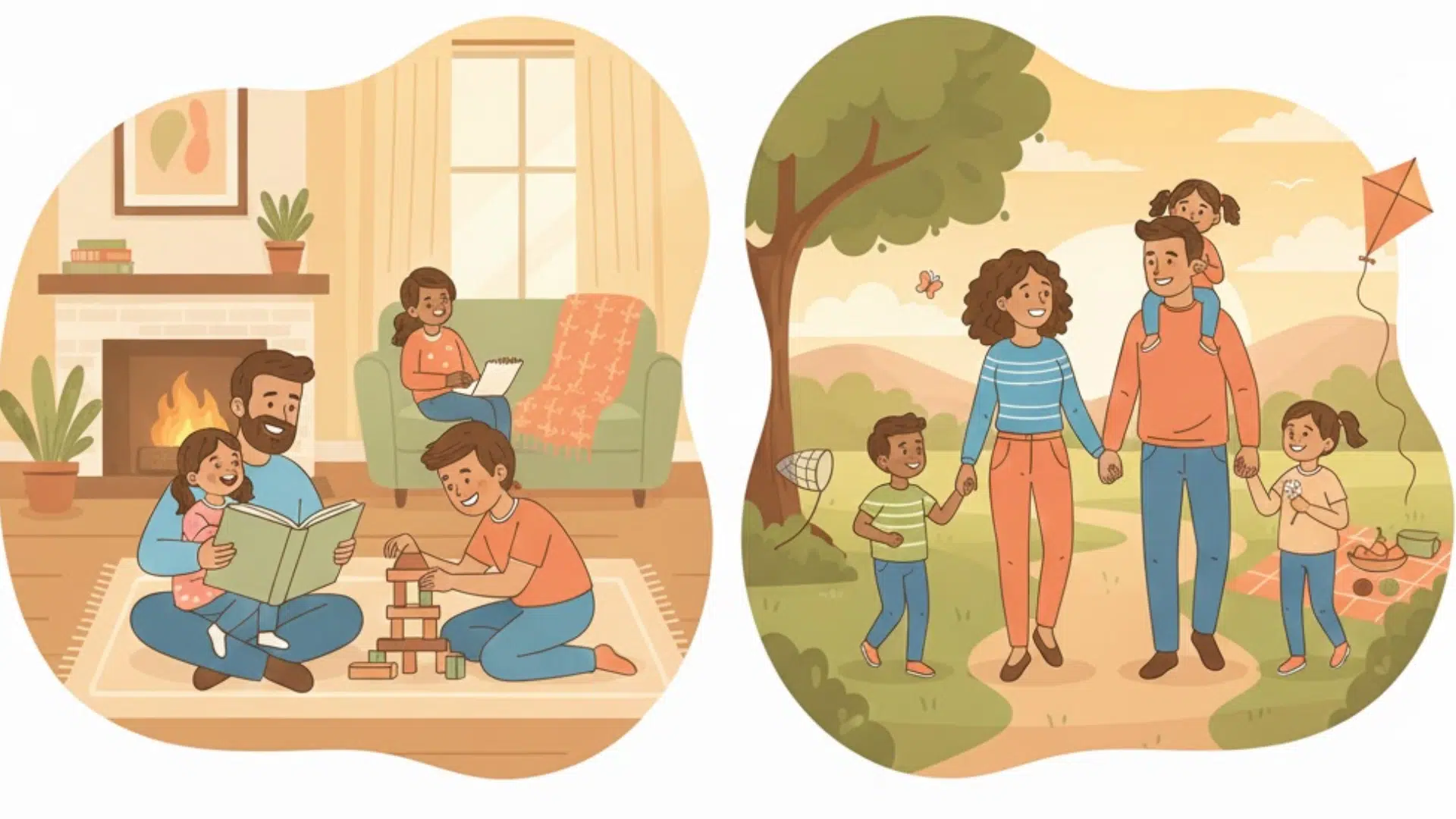

Many parents hear the term pediatric occupational therapy but are not sure what it really means or how it helps.
This guide breaks it down in a clear and friendly way. You will learn what pediatric OT is, what happens during sessions, and which challenges it can support.
I have seen how confusing this topic can feel at first, especially when you are worried about your child. The goal here is to explain things simply, without big medical terms, to avoid confusion.
By the end, you should feel more confident about whether OT therapy for kids may be the right next step for your family.
What is OT Therapy for Kids?
OT therapy for kids, also called pediatric occupational therapy, helps children learn skills they need for daily life. These skills include playing, dressing, eating, writing, and handling emotions.
The word “occupation” may sound confusing, but for kids, it simply means everyday activities.
OT uses fun, play-based activities to help children build strength, coordination, focus, and confidence. Each child gets a plan based on their own needs and challenges.
OT therapy is not about fixing a child. It is about giving them tools and support so that daily tasks feel easier and less stressful at home, at school, and in social settings.
How Pediatric OT Works in Real Life
Pediatric OT works by turning everyday challenges into simple, guided activities. Sessions are designed to feel fun while helping kids practice real-life skills they use daily.
- Play-based activities: Therapists use games, movement, and hands-on tasks to build strength, balance, and coordination without pressure.
- Skill-focused practice: Children work on skills like writing, cutting, dressing, or eating in small, manageable steps.
- Sensory support: OT helps kids handle sounds, textures, and movement better so they feel calmer and more in control.
- Routine-based learning: Skills are practiced in ways that match home and school routines for better carryover.
Over time, these small activities lead to big changes in daily life. I often find that kids gain confidence as tasks start to feel easier and less frustrating.
Signs a Child May Need OT
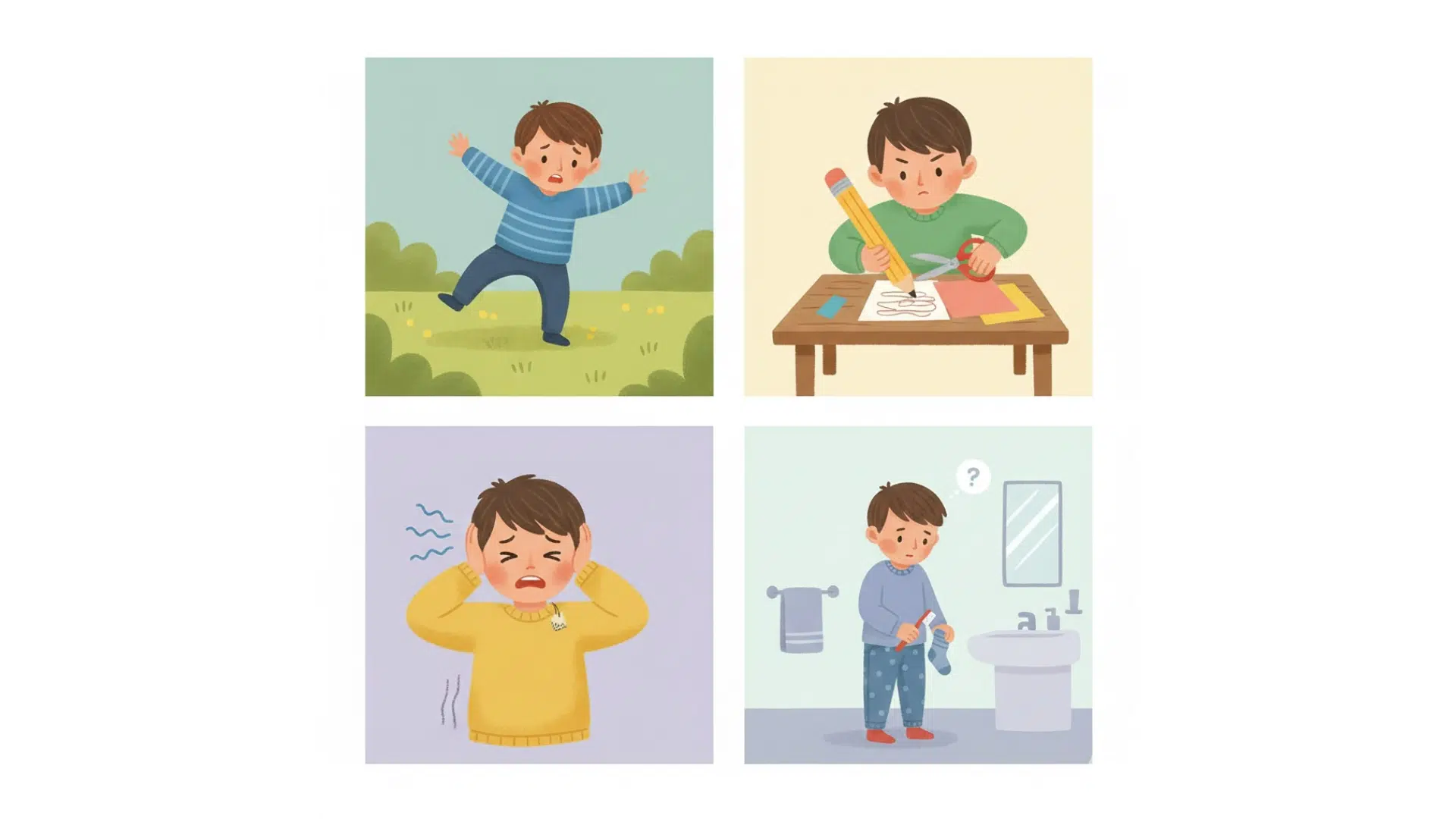
Many children develop skills at their own pace, but some struggles last longer than expected. These signs can help you understand when OT support may be helpful.
1. Movement and Coordination Challenges
A child may seem clumsy, trip often, or avoid activities like climbing or riding a bike. They might struggle with balance or have trouble copying simple movements. These challenges can make playground time stressful instead of fun.
Over time, the child may avoid physical play because it feels hard. OT helps improve body awareness and coordination in a safe, supportive way.
2. Hand Skills and School Difficulties
Some children have trouble holding a pencil, using scissors, or completing simple crafts. Writing may look messy or take much longer than expected.
Hand fatigue is also common, even during short tasks. These struggles can affect confidence at school. OT works on hand strength, control, and coordination to make learning tasks easier.
3. Sensory and Emotional Regulation Signs
A child may react strongly to loud sounds, bright lights, or certain clothing textures. Others may seek constant movement, like jumping or crashing into things.
These sensory needs can lead to meltdowns or trouble calming down. OT helps children understand their sensory needs and learn ways to feel more regulated throughout the day.
4. Daily Routine Struggles at Home
Daily tasks like dressing, brushing teeth, or eating can turn into long battles. A child may need much more help than expected for their age.
Routines may feel exhausting for both the child and the parent. OT focuses on building independence by breaking tasks into simple, achievable steps.
What Happens in a Pediatric OT Evaluation and Session
A pediatric OT evaluation is usually the first step before therapy begins. I know it can feel overwhelming at first, but the process is child-friendly and focused on understanding real-life needs.
Pediatric OT Evaluation
- Parent conversation: The therapist asks about your child’s daily routines, challenges, and goals at home and school.
- Skill observation: Your child is guided through simple activities to see how they move, use their hands, and follow steps.
- Sensory responses: The therapist looks at how your child reacts to sounds, movement, and touch.
- Goal setting: Results are used to create clear goals and a therapy plan that fits your child.
Typical OT Session
- Warm-up activities: Light movement or play to help the child feel comfortable and focused.
- Skill practice: Targeted activities for hands, coordination, self-care, or school skills.
- Sensory support: Calming or alerting activities based on the child’s needs.
- Parent feedback: A short review of progress and simple home tips.
Each session builds on the last and stays playful and supportive.
Pediatric OT Settings and Types of Care
Pediatric OT can take place in different settings, depending on a child’s needs and age. Each setting supports daily skills in a slightly different way.
| OT Setting | What It Focuses On | Who It Helps |
|---|---|---|
| Clinic-Based OT | One-on-one therapy using play, movement, and hands-on tools | Children needing focused skill-building |
| School-Based OT | Skills needed for learning, writing, and classroom routines | Students who struggle at school |
| Early Intervention OT | Developmental skills for very young children | Infants and toddlers with delays |
| Home-Based OT | Everyday routines like dressing and feeding | Children needing support in real-life settings |
Choosing the right setting depends on where your child struggles most. I often remind parents that the goal is the same everywhere: helping kids succeed in daily life with more confidence and less stress.
How to Get Started with OT Therapy for Kids
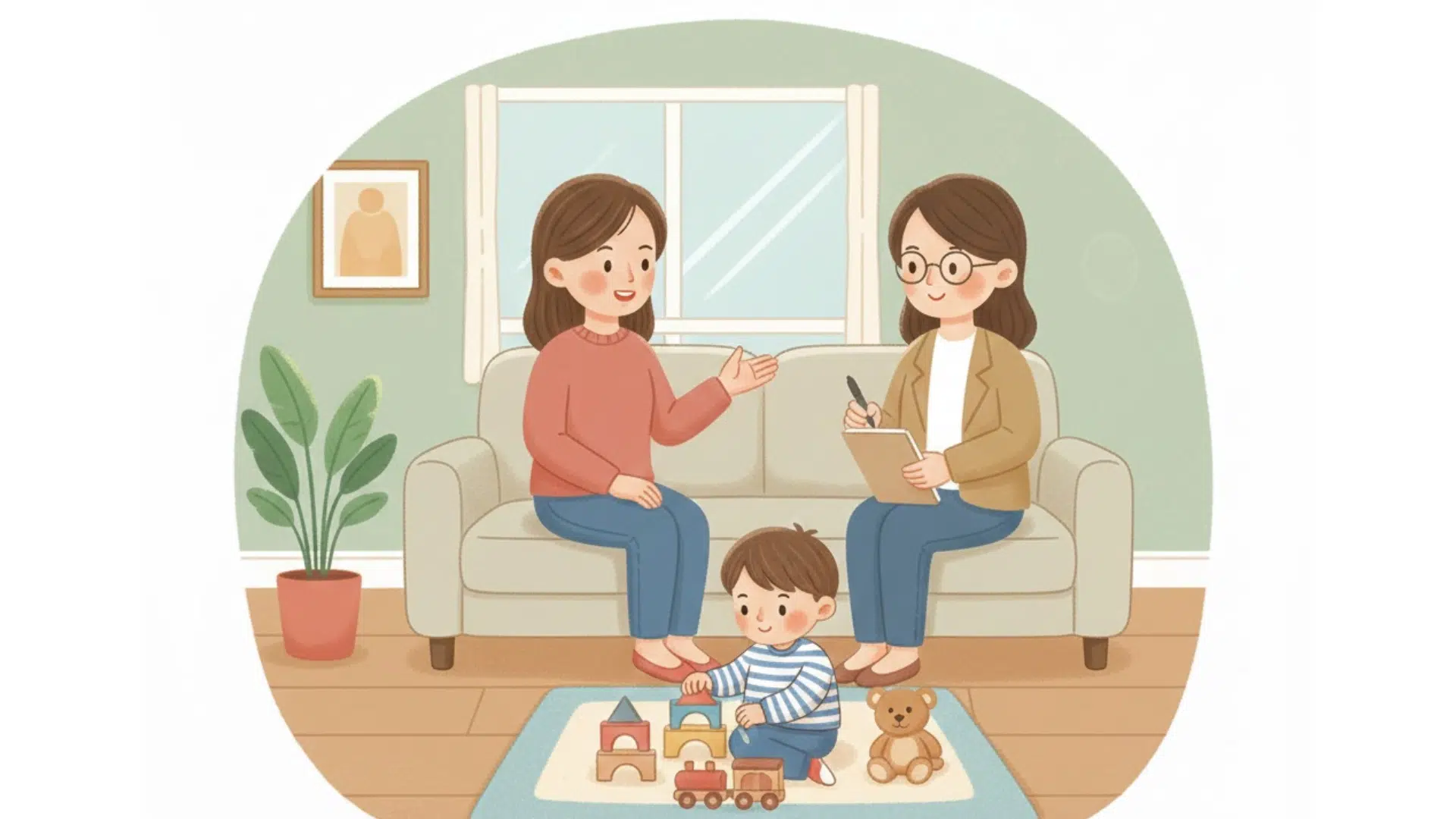
Getting started with OT therapy for kids begins with noticing daily challenges at home or school.
Write down specific concerns, such as trouble with writing, dressing, or managing emotions. Next, talk to your child’s pediatrician and share what you see. They can guide you toward a referral if needed.
You can also contact a pediatric occupational therapist directly to ask about evaluations. During the first visit, the therapist will assess skills and suggest goals.
Most plans include regular sessions and simple home activities. Starting early can help children build confidence and independence in everyday tasks.
How Parents Can Support OT at Home
Supporting OT at home helps children practice skills in a familiar and relaxed space.
- Keep practice short and fun: Use quick activities like playdough, puzzles, or coloring for a few minutes each day.
- Build skills into routines: Let your child help with dressing, snacks, or clean-up instead of doing everything for them.
- Follow the therapist’s tips: Use home strategies shared by the OT so your child gets the same support outside sessions.
- Celebrate small wins: Notice effort, not just results, to build confidence and motivation.
Home support does not need to be perfect to work. Steady encouragement and simple practice go a long way in helping kids feel successful.
Conclusion
OT therapy for kids focuses on helping children manage everyday tasks with more ease and confidence.
From play and learning to self-care and emotions, pediatric OT supports skills that matter in real life. Progress often happens in small steps, but those steps add up over time.
With the right support, children can feel more capable at home, at school, and with friends.
I hope this guide helped explain what OT looks like and how it works. If you have concerns about your child, trust your instincts and ask questions.
Taking action early can make daily routines smoother and help your child grow with confidence and long-term independence, too.