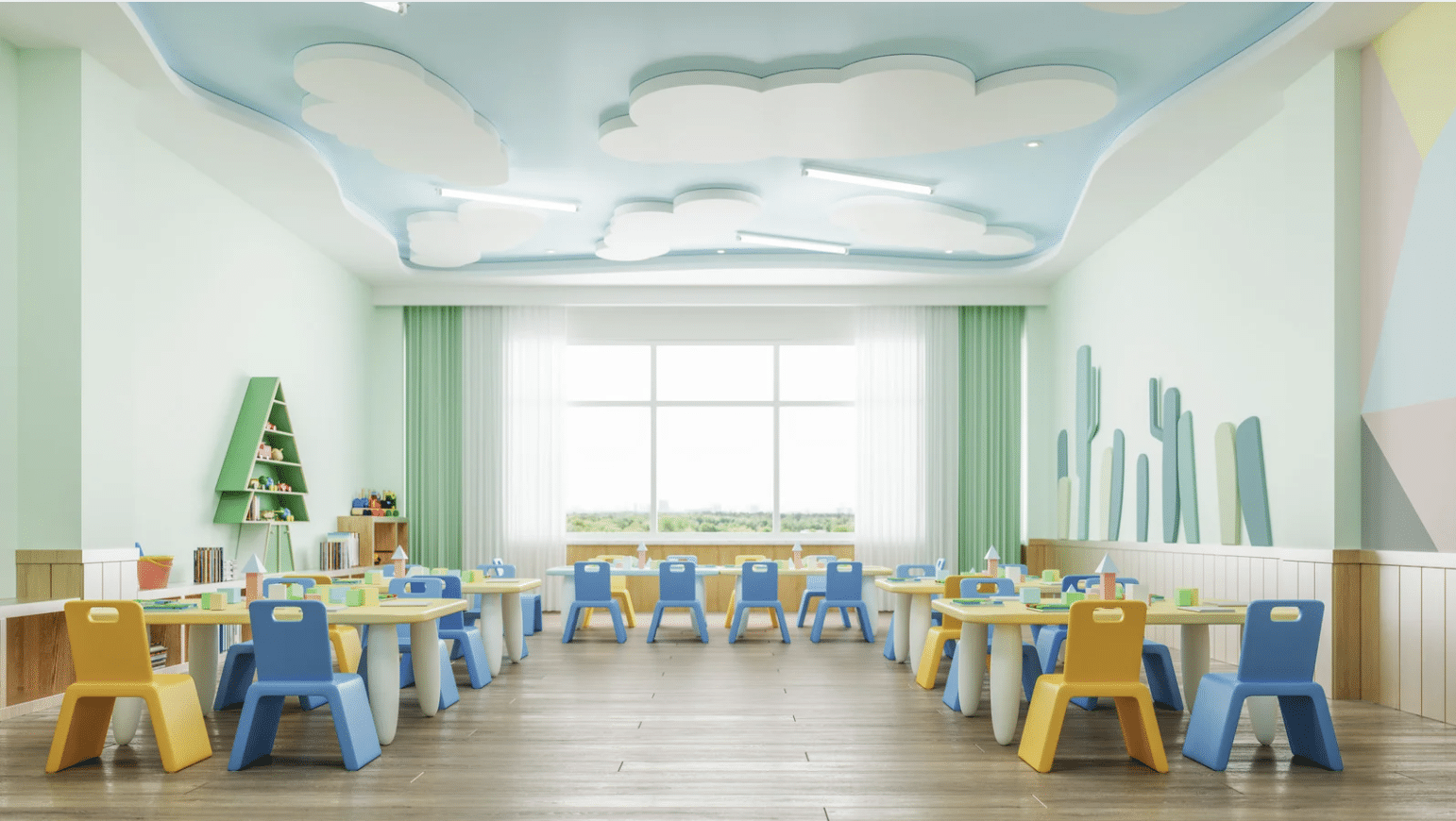
When kids should start preschool is one of the most common parenting questions, and the answer depends on more than just age.
Each child develops at their own pace, and every family’s situation is unique. I remember when I faced this decision, and I realized it was more about readiness than a number.
I also realised that preschool offers much more than early academics – it helps children gain confidence, learn routines, and build friendships.
In this blog, I’ll share the key factors to consider so you can feel confident about choosing the right time for your child to begin preschool.
Typical Preschool Age Range
Preschool is the step between early play at home and formal schooling. The age can vary a little, but most children start within a common range.
- Global average (3–4 years): Most kids begin preschool at this age. They are ready to play with peers, follow routines, and learn simple skills.
- Earliest start (2.5 years): Some programs accept younger children. This works best if your child shows signs of readiness, like basic communication or comfort being away from you.
- Transition to kindergarten (5–6 years): By this age, kids usually move on to kindergarten or its equivalent, where learning becomes a little more structured.
- Sub-stages (Playgroup, Nursery, LKG, UKG): Many schools break preschool into smaller stages. Each stage slowly builds social, emotional, and learning skills to prepare for school life.
Signs Your Child is Ready for Preschool
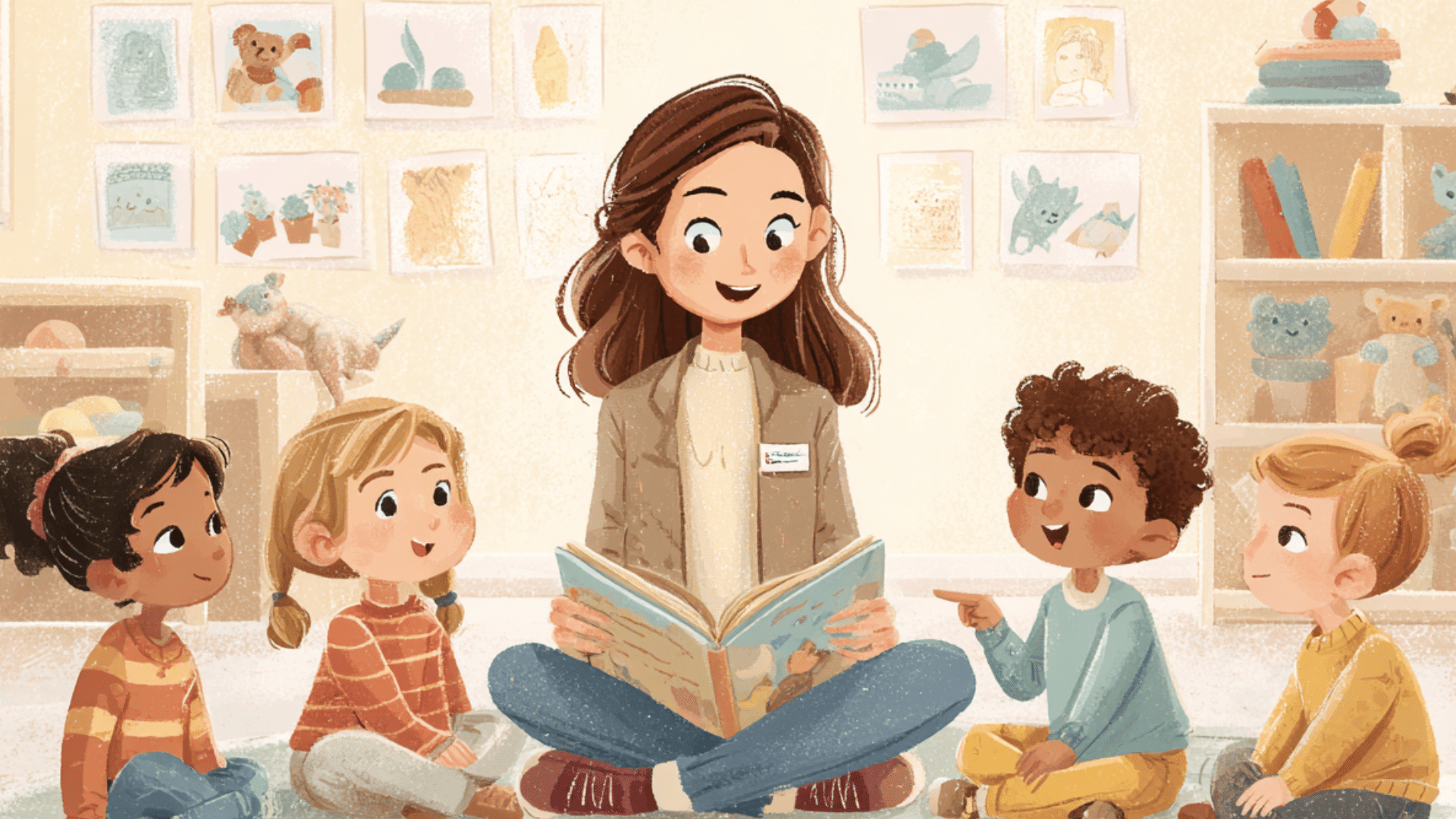
Not every child is ready for preschool at the same age, and that’s completely normal. Look for these signs to know if the timing is right.
1. Developmental Readiness
This shows when your child can follow simple instructions and is making progress with potty training. Small steps in self-care, like washing hands or putting on shoes, are also good signals of readiness. These little milestones show they’re gaining independence, which is key for preschool life.
2. Social Readiness
Preschool becomes easier when your child enjoys playing with other kids and can separate from parents for short periods. Comfort around peers is a strong sign they’re ready for group learning. Being able to share toys or take turns also shows they can thrive in a classroom setting.
3. Emotional Readiness
Curiosity, asking questions, and the ability to focus on small activities all point to emotional readiness. These traits help children adjust to new routines and enjoy their preschool experience. If your child shows excitement about learning or joining activities, it’s another sign they’re prepared.
Regional and School Guidelines
In the U.S., the age for starting preschool and kindergarten can vary depending on state rules and local school districts. While preschool usually begins at 3 to 4 years old, kindergarten has set age cutoffs that parents must follow.
Sample Kindergarten Cutoff Dates by State
- California, Texas, Florida, Illinois, Ohio, Michigan, Georgia, and many others – Children must be 5 years old by September 1
- New York and a few other states – Children must be 5 years old by December 1
- New Jersey and Maryland – Children must be 5 years old by October 1
- Connecticut – Children must be 5 years old by January 1
Pros and Cons of Starting Preschool Early vs Later
Parents often wonder if starting preschool earlier or later is better. Both choices have unique benefits and challenges, and the right age depends on the child.
| Start Age | Pros | Cons |
|---|---|---|
| Early Start (2.5–3 years) | Builds early social skills and friendships. Gives exposure to structure and routine. | May face separation anxiety. Some children are not developmentally ready. |
| Later Start (around 4 years) | More emotional maturity and independence. Easier transition into learning activities. | Misses out on early group interaction. Less time in structured environments before kindergarten. |
| Balanced View | The right age depends on the child’s readiness, personality, and family situation. | No universal “best age”, flexibility is key. |
Preparing Your Child for Preschool
Starting preschool is a big milestone, not just for your child but for you as well. The key is to focus on emotional comfort, building simple routines, and choosing a school approach that fits your child’s needs.
- Practice simple routines like getting dressed and eating meals on schedule
- Encourage independence with tasks such as washing hands or putting away toys
- Read books together to build listening skills and spark curiosity
- Arrange short playdates to help with social interaction
- Visit the preschool ahead of time so your child feels familiar with the environment
With gentle guidance and practice, your child will adjust more easily. A little preparation now sets the stage for a happy and confident preschool experience.
Preschool vs. Daycare vs. Kindergarten
Parents often get confused between preschool, daycare, and kindergarten. While all three support children’s growth, they serve different purposes. This quick comparison helps you see the differences clearly.
| Type | Age Group | Focus | Hours | Key Point for Parents |
|---|---|---|---|---|
| Preschool | 3–4 years | Early learning, play, and social skills | Part-time (2–4 hrs daily) | Prepares kids for kindergarten. |
| Daycare | Infants to 5 years | Care and supervision, basic play | Full-day (work hours) | Flexible option for working parents. |
| Kindergarten | 5–6 years | Academic readiness, structured learning | Half-day or full-day | First formal step into the school system. |
Conclusion
Now you know the answer to when kids start preschool and what really matters when making the decision. Most children begin around ages 3 to 4, while some programs start as early as 2.5 years.
More important than age are the signs of readiness: communication, independence, and comfort with routines.
I once worried that I was too late, but I’ve learned that every child has their own pace. Trust your instincts, check local guidelines, and prepare gently.
Remember, starting preschool is not about the perfect age, but about finding the moment when your child feels ready to grow and learn.
Frequently Asked Questions
How long should my child stay in preschool before moving to kindergarten?
Most children spend one to two years in preschool, depending on their starting age, local guidelines, and individual readiness for kindergarten.
What’s the difference between half-day and full-day preschool programs?
Half-day programs last 2–4 hours with a focus on play, while full-day programs add more structure, and the right choice depends on your child and family.
How can I tell if my child is struggling to adjust after starting preschool?
Signs include ongoing anxiety, repeated meltdowns, or avoiding school for weeks, and if this continues, it’s best to talk with teachers.
Do preschools require children to be fully potty-trained before admission?
Policies differ by school; some expect kids to be trained by age three, while others are flexible and provide support for those still learning.